What is the purpose of a filter in industrial applications?
Filtration is a critical process in industrial applications where contaminants need to be removed from liquids before they can cause damage to downstream equipment. Filters and strainers are designed to remove particles from liquids, ensuring that the fluid passing through them is clean and free of impurities. But what is the difference between filters and strainers?
Filters work by capturing particles of various sizes as the liquid flows through them. They can be made of different materials such as paper, cloth, or mesh, depending on the application requirements. The choice of filter impacts the efficiency of particle removal and the overall cleanliness of the fluid.
Common types of filters used in industrial settings include cartridge filters, bag filters, and screen filters. Each type has its specific advantages and is chosen based on factors such as particle size, flow rate, and the nature of contaminants present in the liquid.
How do filters remove particles from liquids?
Filters use various mechanisms to capture particles from liquids. In the case of mechanical filters, particles are physically stopped by the filter material as the liquid flows through it. This can be achieved through a combination of sieving, interception, and diffusion.
Chemical filters, on the other hand, remove particles by chemical reactions that neutralize the contaminants present in the liquid. These filters are often used in applications where mechanical filtration alone is not sufficient to achieve the desired level of cleanliness.
What is the impact of filter selection on downstream equipment?
The selection of the right filter is crucial as it directly affects the performance and lifespan of downstream equipment. Using an inadequate filter can result in contaminants reaching sensitive components, leading to clogging, fouling, or even damage.
By choosing the appropriate filter based on factors such as particle size, flow rate, and compatibility with the fluid, industrial operators can ensure optimal system performance and minimize the risk of costly repairs and downtime.
How do strainers differ from filters?
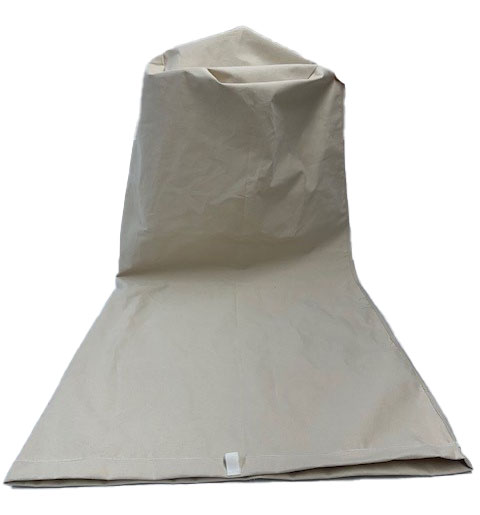
While strainers and filters both serve the purpose of removing particles from fluids, they differ in their design and application. Strainers are used to remove larger particles that could potentially damage pumps, valves, or other downstream equipment if allowed to pass through. Filter bags are used often for smaller particles and regularly for gas industrial filtration.
Unlike filters, which can capture particles of various sizes, strainers are designed with a specific mesh size to strain out larger contaminants. This makes them ideal for applications where the primary concern is preventing damage to sensitive components rather than achieving high levels of cleanliness.
What are the different types of strainers available for liquid and gas filtration?
Strainers come in various configurations to accommodate different types of fluids and particle sizes. Basket strainers, Y-strainers, and T-strainers are among the common types used for liquid and gas filtration, each offering unique advantages depending on the application requirements.
These strainers are installed in pipelines to trap solid particles before they can enter downstream systems. By using the appropriate strainer based on the fluid type and particle characteristics, operators can effectively protect equipment from potential damage and maintain system efficiency.
How do strainers prevent contaminants from entering downstream systems?
Strainers prevent contaminants from entering downstream systems by capturing solid particles that would otherwise pass through and cause damage. The mesh size of the strainer determines the size of particles that can be effectively removed before they reach sensitive components.
Regular maintenance and cleaning of strainers are essential to ensure their continued effectiveness in preventing clogs and maintaining system performance. By monitoring pressure differentials and visually inspecting strainers, operators can identify when maintenance is required to prevent system disruptions.
Which considerations should be made when choosing between a filter or a strainer?
When deciding between a filter or a strainer, several factors must be taken into account to ensure the optimal choice for the application. The size of particles to be removed is a critical factor, as filters are more effective at capturing finer particles, whereas strainers excel at removing larger contaminants.
Flow rate also plays a significant role in determining whether a filter or strainer is more suitable. Filters may impose a higher pressure drop due to their finer filtration capabilities, impacting the overall system performance compared to strainers that offer lower resistance to flow.
How does the size of particles affect the choice between a filter and a strainer?
The size of particles present in the fluid directly influences the selection between strainer or filter. Filters with finer mesh sizes are better suited for capturing small particles that could potentially damage downstream equipment if left unchecked. In contrast, strainers are more effective at removing larger contaminants that might clog pipelines or valves.
By assessing the particle size distribution in the fluid and understanding the potential risks associated with different particle sizes, operators can make informed decisions on whether to use a filter or a strainer to achieve the desired level of industrial filtration.
What role does flow rate play in determining whether a filter or strainer is more suitable?
The flow rate of the system is another critical consideration when choosing between a filter and a strainer. Filters with finer filtration capabilities tend to have higher pressure drops, which can restrict the flow of liquid through the system and impact overall efficiency.
On the other hand, strainers typically offer lower resistance to flow due to their larger mesh sizes, allowing for higher flow rates with minimal pressure drop. This makes strainers suitable for applications where maintaining fluid flow is essential without compromising on particle removal efficiency.
What are the pressure drop implications of using a filter versus a strainer in a system?
Filters and strainers differ in their pressure drop implications when used in a system. Filters, especially those designed to capture fine particles, can result in higher pressure drops due to the constriction of flow caused by the filter material.
Strainers, with their coarser mesh sizes, offer lower pressure drops compared to filters, making them ideal for applications where minimizing flow restriction is crucial. Understanding the pressure drop characteristics of filters or strainers is essential for selecting the most appropriate solution for specific system requirements.
How do filters and strainers prevent clogging in industrial applications?
Filters and strainers employ various design features to prevent clogging and maintain high flow rates in industrial applications. By capturing solid particles before they can accumulate and obstruct the flow of fluid, strainers and filters ensure uninterrupted operation of equipment and systems.
Some filters or strainers are designed with self-cleaning mechanisms or automated backwashing systems to dislodge trapped particles and restore optimal filtration performance. These maintenance features help prolong the lifespan of filters and strainers while reducing the risk of system downtime due to clogging.
What design features help filters and strainers maintain high flow rates?
Strainers and filters incorporate specific design features to ensure high flow rates while effectively capturing contaminants. For filters, larger surface areas and optimized flow paths reduce flow resistance, enabling efficient particle removal without compromising system performance.
Strainers, on the other hand, are designed with straight-through flow paths and minimal obstructions to maintain consistent flow rates while trapping solid particles. By optimizing the design of filters and strainers, industrial operators can achieve reliable filtration while minimizing the risk of clogging and pressure drops.
What techniques are used to unclog filters and strainers when they become blocked?
Filters and strainers can become blocked over time due to the accumulation of particles and contaminants. When this occurs, various techniques can be employed to unclog the filter or strainer and restore proper functionality.
Backwashing, where the flow of fluid is temporarily reversed to dislodge trapped particles, is a common method used to clean strainers and filters. Mechanical cleaning with brushes or compressed air can also be effective in removing stubborn blockages and maintaining filtration efficiency.
How do duplex filters and basket strainers enhance filtration efficiency?
Duplex filters and basket strainers are specialized filtration solutions that enhance efficiency in industrial applications. Duplex filters consist of two parallel filters that can be switched while in operation, allowing for continuous filtration without interruptions for maintenance.
Basket strainers feature a removable basket element that simplifies cleaning and replacement of filter media, reducing downtime and ensuring consistent filtration performance. By incorporating these advanced filtration solutions, industrial systems can achieve higher levels of cleanliness and reliability.
What are the key differences between industrial filters and strainers?
Industrial filters and strainers differ in several key aspects, including the mesh sizes they use for filtration and the type of particles they target. The main difference between the two is that filters typically utilize finer mesh sizes to capture small particles, while strainers employ coarser mesh to trap larger contaminants. The easiest way to determine this is if you are filtering liquid or gas because of the difference in the size of the particles.
In terms of liquid versus gas filtration, strainers and filters are designed differently to accommodate the specific characteristics of each fluid type. Liquid filtration systems often use cartridge filters and bag filters, while gas filtration systems may rely on screen filters and coalescing filters.
Additionally, filters and strainers handle different types of particulate matter in industrial processes, with filters being more effective at removing fine particles and strainers excelling at capturing larger debris that could cause equipment damage. Understanding these differences is essential for selecting the most suitable filtration solution for a given application.
How do filters and strainers handle different types of particulate matter in industrial processes?
Filters and strainers are designed to handle different types of particulate matter in industrial processes based on their specific capabilities. Filters are typically more effective at capturing fine particles such as dust, sediment, and other small contaminants that can affect product quality or system performance.
Strainers, on the other hand, are better suited for removing larger debris such as rocks, rust flakes, and debris that could potentially damage equipment if allowed to pass through. By understanding the nature of the particulate matter present in the fluid, operators can select the appropriate filter or strainer to maintain system reliability and efficiency.
In conclusion, understanding the nuances between filters and strainers is vital for optimizing industrial processes and safeguarding equipment integrity. Filters excel at removing fine particles from liquids through various mechanisms, while strainers efficiently capture larger contaminants to prevent damage to downstream equipment. The choice between the two depends on factors such as particle size, flow rate, and system requirements. Moreover, duplex filters and basket strainers offer advanced solutions to enhance filtration efficiency and minimize downtime. By considering these distinctions and selecting the appropriate filtration method, industrial operators can ensure reliable performance, mitigate risks, and maintain system integrity for optimal productivity.
If you are considering a new filter or strainer, custom or standard, contact us today!