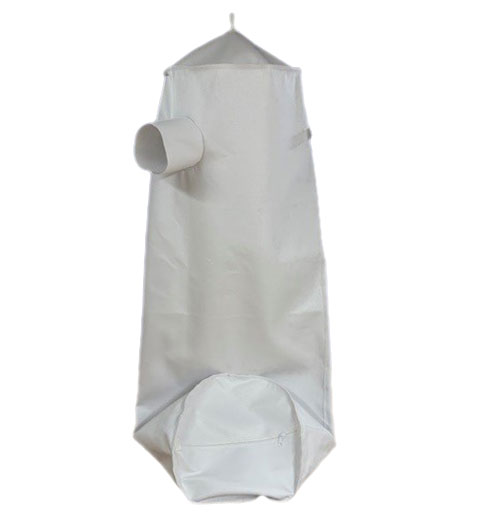
Food safety is an indispensable aspect of the food industry, playing a crucial role in protecting consumers from food-borne illnesses and ensuring product quality. With the rise of global food supply chains, maintaining stringent safety standards has become more challenging yet essential. One vital component in safeguarding our food supply is filtration. This blog post explores the critical role of filtration in ensuring food safety and quality, particularly in food processing and manufacturing plants.
Understanding Filtration in Food Safety
What is Filtration and How Does it Work in Food Processing?
Filtration is the process of removing unwanted particles, contaminants, and microorganisms from liquids, gases, and solids. In food processing, filtration ensures that the final product is free from impurities that could compromise safety and quality. The process involves passing a fluid through a porous medium that traps and removes contaminants, allowing only clean fluid to pass through. This simple yet effective mechanism is pivotal in the food industry.

Types of Filters Commonly Used in the Industry
There are several types of filters used in food processing, each serving a specific purpose:
- Air Filters: These filters are used to remove dust, pathogens, and other airborne particles from the air within food processing facilities.
- Liquid Filters: Utilized to purify water and other liquids used in food production, ensuring they are free from harmful substances.
- Steam Filters: Essential for sterilizing equipment and surfaces, steam filters remove impurities from steam used in food processing.
Each type of filter plays a crucial role in maintaining a clean and safe production environment.
The Significance of Proper Filtration
Proper filtration is indispensable in preventing contamination. By removing bacteria, viruses, and other microorganisms, filtration helps in maintaining product quality and extending shelf life. Effective filtration systems reduce the risk of food-borne illnesses, safeguarding consumer health and bolstering the reputation of food manufacturers.
Regulatory and Quality Standards
Overview of International and Local Regulatory Bodies
Food safety standards are governed by various international and local regulatory bodies, including the Food and Drug Administration (FDA), the European Food Safety Authority (EFSA), and the World Health Organization (WHO). These organizations establish guidelines and regulations to ensure that food processing practices meet stringent safety criteria.
Specific Standards Related to Filtration
Regulatory standards often include specific requirements related to filtration in food processing plants. These standards mandate the use of certified filtration systems, regular maintenance, and periodic testing to ensure compliance. Adhering to these standards is critical for food manufacturers to avoid penalties and ensure the safety of their products.
Filtration Applications in Different Food Processing Stages
Filtration in Raw Material Intake and Preparation
The first stage of food processing involves the intake and preparation of raw materials. Filtration at this stage removes impurities from water and other liquids used in washing and preparing raw materials, ensuring that the initial ingredients are clean and safe.
Filtration in the Production Process
During production, filtration systems are employed to purify liquids and gases, preventing contamination at every step. For example, liquid filters ensure that sauces, juices, and other liquid products are free from contaminants, while air filters maintain a clean environment within the production facility.
Filtration in the Final Stages Before Packaging
In the final stages of production, filtration is crucial in ensuring that the finished product meets safety and quality standards. Steam filters sterilize packaging materials and surfaces, while liquid filters guarantee that the product itself is contamination-free.
The Impact of Advanced Filtration Technologies
Latest Advancements in Filtration Technologies
The food industry continually benefits from advancements in filtration technologies. Innovations such as nanofiltration, reverse osmosis, and ultraviolet (UV) filtration enhance the efficiency and effectiveness of traditional filtration methods. These advanced technologies offer superior contaminant removal, ensuring higher safety and quality standards.
Case Studies of Companies Benefiting from Innovative Filtration Solutions
Numerous companies have successfully implemented advanced filtration solutions to improve their food safety protocols. For instance, a dairy company adopting UV filtration reduced bacterial contamination by 99%, significantly enhancing product shelf life and quality. Such examples highlight the tangible benefits of investing in cutting-edge filtration technologies.
Challenges and Best Practices
Common Challenges in Maintaining Effective Filtration Systems
Maintaining effective filtration systems in food processing plants can be challenging. Common issues include filter clogging, system wear and tear, and ensuring compliance with regulatory standards. These challenges necessitate regular maintenance and monitoring to prevent system failures and contamination.
Best Practices for Ensuring Optimal Performance and Compliance
To ensure optimal performance and compliance, food manufacturers should adopt best practices such as:
- Regular Maintenance: Routine inspection and replacement of filters prevent clogging and ensure consistent performance.
- Staff Training: Educating staff on the importance of filtration and proper maintenance procedures reduces the risk of contamination.
- Compliance Audits: Periodic audits ensure that filtration systems meet regulatory standards and identify areas for improvement.
Future Trends in Filtration for Food Safety
Predictions on the Future of Filtration Technology
The future of filtration technology in the food industry looks promising, with several emerging trends set to revolutionize the field. Innovations such as smart filtration systems equipped with IoT sensors will enable real-time monitoring and predictive maintenance, ensuring optimal performance at all times.
Sustainability and Environmental Considerations
Sustainability and environmental considerations are increasingly influencing filtration practices. Eco-friendly filtration systems that reduce energy consumption and waste generation are gaining traction. Manufacturers are also exploring biodegradable filter materials, aligning their practices with global sustainability goals.
Filtration is an Important Part of Food Safety Facilities
Filtration is undeniably a critical component of food safety, ensuring that products are free from contaminants and safe for consumption. By investing in advanced filtration technologies and adhering to best practices, food manufacturers can enhance product quality, protect consumer health, and maintain regulatory compliance.
To further explore how you can optimize your filtration systems for superior safety and quality, consider partnering with a trusted expert in the field. Stay ahead of the curve and ensure your products meet the highest safety standards with the latest in filtration technology.
Contact us today for all your filtration needs.