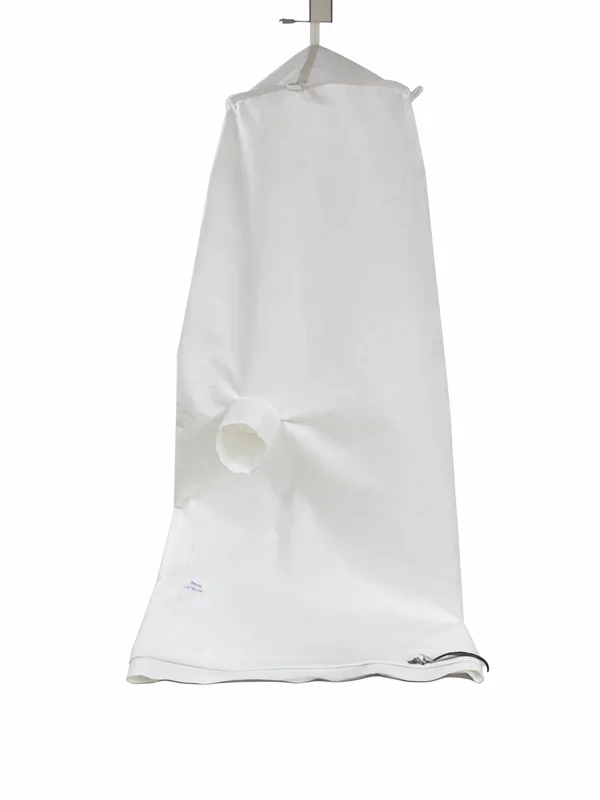
In the world of industrial manufacturing, keeping your equipment running efficiently is paramount. Among the critical components ensuring smooth operations are industrial filter bags. These unsung heroes play a vital role in maintaining air quality, ensuring regulatory compliance, and protecting equipment from harmful particulates.
This blog post aims to guide industrial manufacturers and facility managers through the best practices for extending the life of their filter bags. From understanding what affects their longevity to adopting cutting-edge innovations, you’ll find valuable insights to optimize your operations.
Understanding the Lifespan of Filter Bags
Factors Affecting Longevity
Industrial filter bags don’t last forever, but understanding the factors that influence their lifespan can help you make informed decisions. The primary factors include the type of material, the nature of the particulates being filtered, and the conditions under which the filter bags operate.
- Material Type: Different materials offer varying levels of durability and resistance to wear and tear. For instance, polyester and polypropylene are commonly used due to their balance of cost and performance.
- Particulate Nature: The abrasiveness, chemical composition, and temperature of the particulates can significantly impact the filter bags’ lifespan. Highly abrasive or corrosive particulates will naturally shorten the lifespan.
- Operational Conditions: High temperatures, moisture levels, and pressure drops can accelerate the degradation of filter bags. Regular monitoring and adjustments can mitigate these effects, extending the bags’ useful life.
Best Practices for Maintenance and Care
Cleaning Procedures
Regular cleaning is essential for maintaining the efficiency and longevity of filter bags. Depending on the type of filter and particulate load, cleaning methods may vary. Common techniques include:
- Pulse Jet Cleaning: Utilizes a burst of compressed air to dislodge particulates from the filter surface. This method is effective but needs to be calibrated correctly to avoid damage.
- Shaking: A mechanical process that shakes the filter bag to remove accumulated dust. While simple, it may not be suitable for all types of particulates.
- Reverse Air Flow: Involves reversing the direction of airflow to blow particulates off the filter surface. This method is gentle and suitable for delicate materials.
Inspection Guidelines
Regular inspection is crucial for identifying signs of wear and tear before they lead to failure. Inspections should focus on:
- Bag Integrity: Look for tears, holes, and weakened seams. Early detection can prevent larger issues.
- Seal Condition: Ensure that seals are intact and not allowing particulates to bypass the filter. Seals are often overlooked but are critical for optimal performance.
- Frame and Support Structures: Check for corrosion or mechanical damage that could compromise the filter bag’s stability.
Replacement Schedules
Timely replacement of filter bags is essential to maintain efficiency and compliance. Establish a replacement schedule based on:
- Usage Data: Track the hours of operation and the types of particulates filtered to predict when a replacement is due.
- Performance Metrics: Monitor pressure drops and airflow resistance as indicators of filter bag health.
- Visual Inspections: Combine data-driven metrics with regular visual inspections to make informed replacement decisions.
Innovations in Filter Bag Technology
Long-lasting Materials
Advancements in material science have led to the development of more durable filter bag materials. Options such as PTFE (Polytetrafluoroethylene) and PPS (Polyphenylene sulfide) offer enhanced chemical and thermal resistance, making them ideal for harsh industrial environments.
Design Features
Modern filter bags come equipped with innovative design features that enhance their performance and longevity. Some of these include:
- Extended Surface Area: Designs that increase the surface area for filtration without increasing the footprint of the filter bag.
- Advanced Sealing Mechanisms: Improved seals that provide better protection against particulate bypass and ensure a tighter fit.
- Reinforced Construction: Additional layers or reinforced seams that offer extra durability, especially in high-stress areas.
Smart Monitoring
The integration of IoT (Internet of Things) technology into filter bags is a game-changer. Sensors can now monitor real-time performance metrics such as pressure drops, airflow rates, and particulate load. This data can be used to predict maintenance needs and optimize filter bag performance proactively.
Prolong Your Filter Bags’ Lifespan
Extending the life of your industrial filter bags is not just about cost savings, although that’s a significant benefit. It’s also about improving operational efficiency, reducing environmental impact, and ensuring compliance with industry regulations.
By understanding the factors that affect filter bag longevity, adopting best practices for maintenance, and leveraging the latest innovations in filter bag technology, industrial manufacturers and facility managers can achieve these goals. Regular cleaning, thorough inspections, and timely replacements are key strategies that should be part of every maintenance plan.
For those seeking expert advice tailored to their specific needs, professional consultation can provide valuable insights and recommendations. Implementing these practices will not only extend the life of your filter bags but also contribute to a more efficient and sustainable operation.
Further Resources
For more information and expert guidance on optimizing your filter bag usage, contact our team for a consultation. Our specialists are ready to help you achieve the best performance and longevity for your industrial filter bags.