Industrial emissions of fine particulates pose severe respiratory and environmental risks, driving the adoption of advanced filtration technologies. Fabric filters for air pollution control serve as high-efficiency barriers that remove dust, fumes, and aerosols by directing contaminated gas streams through specially engineered textile media.
In this article, you will discover what fabric filters are and how they control pollutants, explore their core benefits, compare them to alternative technologies, learn best practices for maintenance and optimization, identify the industries that rely on them, understand their environmental and health impacts, and gain practical guidance for selecting the right system for your facility. American Fabric Filter provides both standard and custom-engineered solutions to meet stringent air quality requirements and streamline your path from specification to installation.
What Are Fabric Filters and How Do They Control Air Pollution?
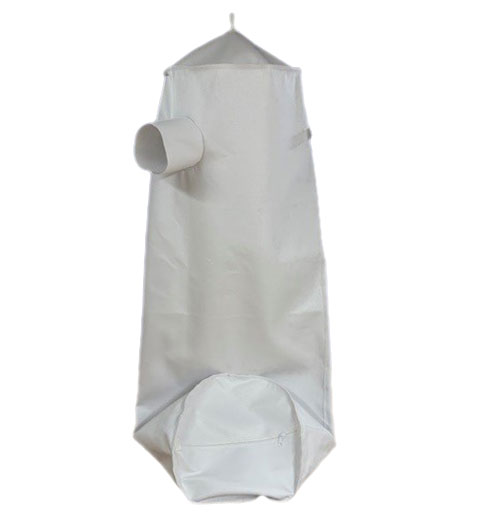
Fabric filters are permeable textile modules that separate particulate matter from gas streams through mechanical interception, diffusion, and inertial impaction. By channeling polluted air through woven or felted fabrics, these collectors trap particles on the surface or within the filter cake, delivering emission reductions up to 99.99% for submicron dust.
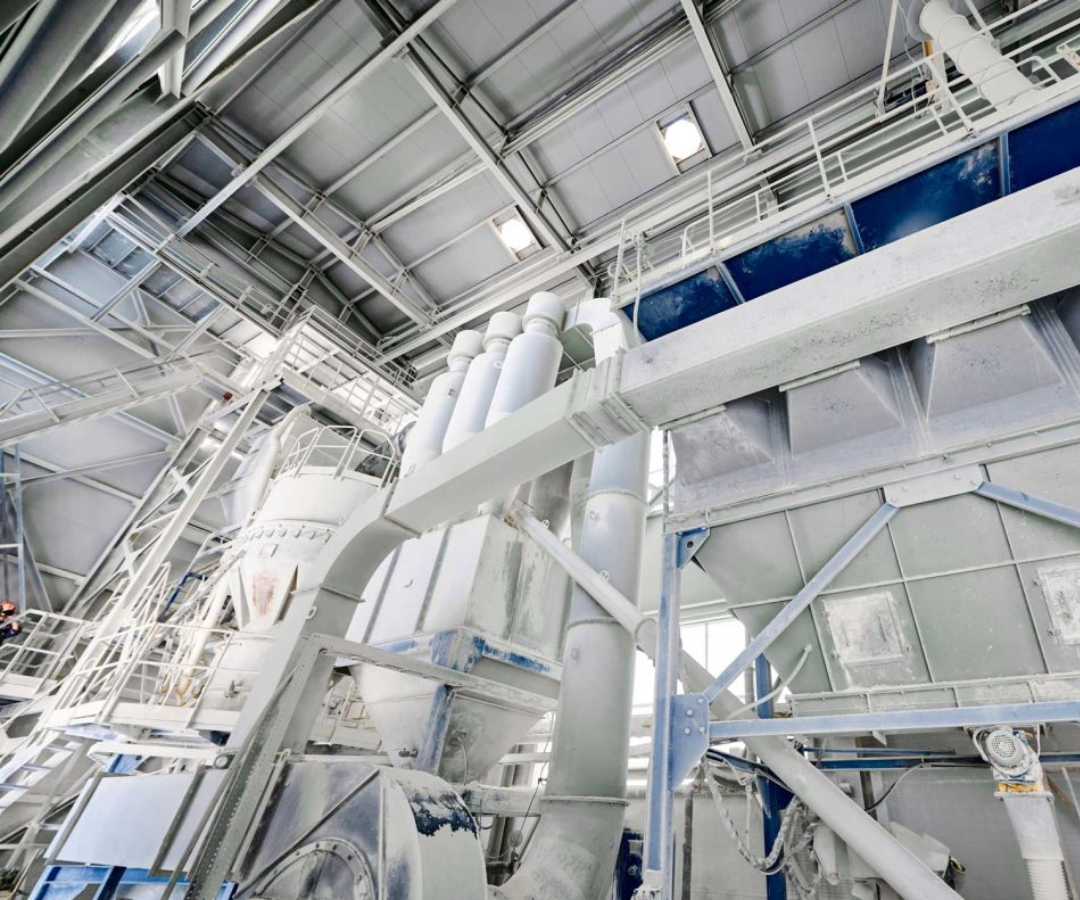
For example, baghouse systems in cement plants employ polyester or fiberglass bags to capture fine cement dust, ensuring clean exhaust and regulatory compliance. Understanding material choices and capture mechanisms clarifies why fabric filters dominate industrial dust control.
What materials and designs are used in fabric filters?
- Woven Polyester: Offers flexibility and chemical resistance for temperatures up to 260 °F.
- Needlefelt Fiberglass: Delivers high-temperature tolerance up to 800 °F and low chemical reactivity.
- Polyphenylene Sulfide (PPS): Provides superior chemical and heat stability for harsh environments.
- Pleated Cartridge Modules: Increase surface area in compact housings for low-flow applications.
- Round Bag Designs: Maximize dirt-holding capacity in traditional baghouses.
Each option combines fiber diameter, porosity, and treatment coatings to optimize dust cake formation and pulse-clean cycles. Exploring capture dynamics reveals how these media immobilize particulates.
How do fabric filters capture pollutants effectively?
Fabric filters capture contaminants through a combination of mechanical interception, diffusion, and electrostatic attraction. As dusty gas flows through the fabric, larger particles are trapped by fiber surfaces (inertial impaction), while submicron aerosols collide with fibers via Brownian motion (diffusion). Over time, a filter cake forms, enhancing capture efficiency by acting as an additional barrier layer. Pulse-jet cleaning periodically dislodges this cake into collection hoppers, restoring airflow and sustaining performance.
What types of air pollutants can fabric filters remove?
Before examining the wide applications, it helps to see pollutant categories and removal profiles:
| Pollutant Category | Filtration Mechanism | Typical Efficiency |
|---|---|---|
| Particulate Matter | Mechanical interception | 95–99.99% |
| Fly Ash | Diffusion and cake buildup | 98–99.9% |
| Fumes & Soot | Electrostatic attraction | 90–99% |
| Hazardous Dusts | Multi-layer barrier capture | 99.9%+ |
| Bioaerosols | Filter cake immobilization | 9 |
What Are the Key Benefits of Using Fabric Filters in Air Pollution Control?
Fabric filters deliver superior emission control by improving air quality, lowering operational costs, and ensuring regulatory adherence. Their adaptability to diverse gas conditions and pollutant loads makes them versatile solutions across industries. For instance, replacing outdated cyclones with baghouse units can slash particulate emissions by over 90% while reducing maintenance downtime, generating both environmental and financial returns.
How do fabric filters improve air quality and reduce emissions?
Fabric filters enhance ambient air by removing up to 99.99% of particulate matter before release. They prevent airborne dust plumes, minimize worker exposure to hazardous dust, and reduce ambient PM2.5 levels in surrounding communities. In power plants, fabric filters combined with flue gas desulfurization limit ash and acid gas emissions, directly improving compliance with regional air quality standards.
Why are fabric filters considered cost-effective and energy-efficient?
The robust filter cloths used in modern baghouses sustain thousands of cleaning cycles with minimal pressure drop, translating into lower fan power requirements. Energy consumption is optimized through pulse-jet or shaker-clean mechanisms that use compressed air or vibration only when needed. Reduced maintenance and longer service intervals further cut lifecycle costs, delivering an economical solution compared to high-voltage electrostatic precipitators.
How do fabric filters support regulatory compliance and environmental standards?
Fabric filters align with stringent environmental regulations such as the Clean Air Act, Industrial Emission Directive, and local particulate limits by achieving removal efficiencies exceeding 99%. Their modular design allows easy upgrades—adding filter media with special coatings or higher-temperature fibers—to meet evolving regulatory thresholds.
This adaptability streamlines permitting and inspection processes, safeguarding operations against potential fines or shutdowns. Having seen how fabric filters excel in performance and cost, comparing them to other control technologies highlights scenarios where they become the preferred choice.
How Do Fabric Filters Compare to Other Air Pollution Control Technologies?
Fabric filters often outperform competing systems in removal efficiency, footprint, and maintenance flexibility. Unlike wet scrubbers that generate wastewater or electrostatic precipitators requiring high-voltage power and routine electrode cleaning, fabric filters use simple mechanical cleaning and dry disposal, simplifying waste handling.
| Technology | Maintenance Requirement | Energy Consumption | Removal Efficiency | Footprint Impact |
|---|---|---|---|---|
| Fabric Filters (Baghouse) | Annual inspection, filter change | Low fan power with pulse-jet cleaning | 95–99.99% | Compact modular banks |
| Electrostatic Precipitator | Electrode washing, rapping | High-voltage power supply | 90–99% | Large demister cabinets |
| Wet Scrubber | Pump upkeep, wastewater treatment | Moderate pump and blower energy | 80–95% | Requires drainage systems |
This comparison underscores the operational simplicity and high performance of fabric filters, guiding decisions about their suitability for industrial applications.
How Are Fabric Filters Maintained and Optimized for Long-Term Performance?
Proper maintenance and monitoring ensure fabric filters sustain peak efficiency and minimize unplanned downtime. A structured upkeep program combined with real-time performance tracking keeps dust collectors in optimal condition.
What are best practices for cleaning and maintaining fabric filters?
- Inspect bags quarterly for wear, tears, and seam failures.
- Verify pulse pressure and cycle timing to maintain a dust cake without clogging.
- Empty and seal hoppers before material buildup affects airflow.
Consistent upkeep preserves filter permeability and performance, reducing the risk of unplanned shutdowns.
How does monitoring improve fabric filter efficiency?
Continuous monitoring of differential pressure across the filter and hopper levels enables proactive adjustments. Deploying pressure sensors and level indicators creates alerts when cleaning cycles require tuning or when filters approach end-of-life. Integrating these data into a digital dashboard supports preventive maintenance, driving reliable emission control and lower lifecycle costs.
What innovations enhance fabric filter durability and effectiveness?
Recent advancements include nanofiber coatings that repel moisture and resist chemical attack, extended-life composite media combining glass and polymer fibers, and smart bags with embedded RFID tags for automated media identification and service tracking. These innovations extend filter life by 30–50% and maintain high capture efficiency under variable conditions.
With a clear maintenance roadmap, it becomes apparent which industries derive the greatest value from fabric filters.
What Industries Benefit Most from Fabric Filters in Air Pollution Control?
Fabric filters serve as critical emission control equipment across sectors where particulate emissions threaten process integrity and regulatory compliance. Their adaptability to variable dust loads and temperatures makes them universal solutions.
How do power plants utilize fabric filters for emission control?
Coal- and biomass-fired power stations rely on fabric filters to capture fly ash and unburned carbon. Baghouse systems installed downstream of electrostatic precipitators achieve additional fine-particle removal, ensuring stack emissions meet sub-10 mg/Nm³ standards and supporting renewable biomass cofiring initiatives.
What role do fabric filters play in cement and steel manufacturing?
Cement kilns generate abrasive dust laden with silicates, requiring high-temperature media such as needlefelt fiberglass. Steel mills emit metal oxides and dust that can abrade filter bags; specialized PTFE coatings protect fibers and enable pulse-jet cleaning despite harsh shear conditions.
How are fabric filters applied in chemical and pharmaceutical industries?
In chemical reactors and mill processes, fabric filters remove active pharmaceutical ingredients, catalyst fines, and corrosive dusts. Corrosion-resistant PPS or ePTFE membranes ensure chemical inertness while safeguarding product purity and worker health in GMP-regulated environments.
Having examined key sectors, we now assess how fabric filters influence environmental quality and public health.
What Environmental and Health Impacts Result from Using Fabric Filters?
Fabric filters deliver tangible improvements in ambient air quality and safeguard public health by eliminating dangerous particulates that cause respiratory and cardiovascular diseases. Their dry separation process also supports resource recovery and waste minimization.
How do fabric filters reduce harmful particulate matter exposure?
By capturing particulate emissions at the source, fabric filters prevent PM2.5 and PM10 from entering the atmosphere. This reduction in airborne dust lowers incidences of asthma, bronchitis, and other respiratory illnesses among nearby populations, reinforcing community well-being and corporate social responsibility.
What is the role of fabric filters in mitigating climate change effects?
Although fabric filters address solid pollutants, their integration with flue gas desulfurization and selective catalytic reduction supports co-control of gaseous pollutants like SO₂ and NOₓ. Cleaner stacks reduce atmospheric haze and improve solar radiation penetration, indirectly contributing to climate resilience.
How do fabric filters contribute to sustainable industrial practices?
Dry dust collection systems generate inert waste that can be recycled or safely landfilled, eliminating contaminated wastewater streams common to wet scrubbers. Filtered dust from mineral processing often serves as feedstock for cement or construction materials, exemplifying circular economy principles.
Understanding these positive impacts frames the final step: selecting the right fabric filter system tailored to your facility’s needs.
How Can You Choose the Right Fabric Filter System for Your Air Pollution Control Needs?
Selecting an optimal fabric filter system involves assessing process parameters, emission targets, and total cost of ownership. A structured evaluation ensures performance and economic objectives align seamlessly.
What factors influence fabric filter selection and sizing?
- Temperature dictates media type (e.g., polyester vs. fiberglass).
- Abrasiveness determines need for protective coatings.
- Flow rate and dust loading influence bag count, diameter, and cleaning frequency.
A precise material balance and computational fluid dynamic (CFD) modeling inform accurate filter sizing and layout.
How do installation and operational costs affect decision-making?
Initial capital investment covers housing, filter media, and ancillary equipment, while operational costs encompass energy, maintenance, and disposal. Energy-efficient pulse-jet cleaning reduces ongoing power expenses, and longer-lasting media minimize replacement frequency, optimizing total lifecycle costs.
Where can you find expert guidance and support for fabric filter implementation?
Fabric filters represent a proven, efficient means to achieve stringent air pollution control across diverse industries. Their robust filtration mechanisms, combined with cost-effective operation and regulatory alignment, make them a preferred solution for reducing particulate emissions and safeguarding public health. By adhering to best practices in material selection, maintenance, and monitoring, facilities can sustain peak performance and extend filter life.
A systematic selection process lets you harness fabric filters’ full potential for emission control, cost savings, and environmental stewardship.Engaging experienced providers ensures that custom-engineered fabric filter systems meet process demands and environmental targets, delivering reliable, long-term value. Partnering with knowledgeable specialists transforms emission control challenges into opportunities for sustainable, compliant operations.
For customized solutions and technical assistance, turn to trusted specialists like American Fabric Filter. Their engineering team provides tailored baghouse designs, on-site performance audits, and turnkey installation services to ensure seamless integration and regulatory compliance.