
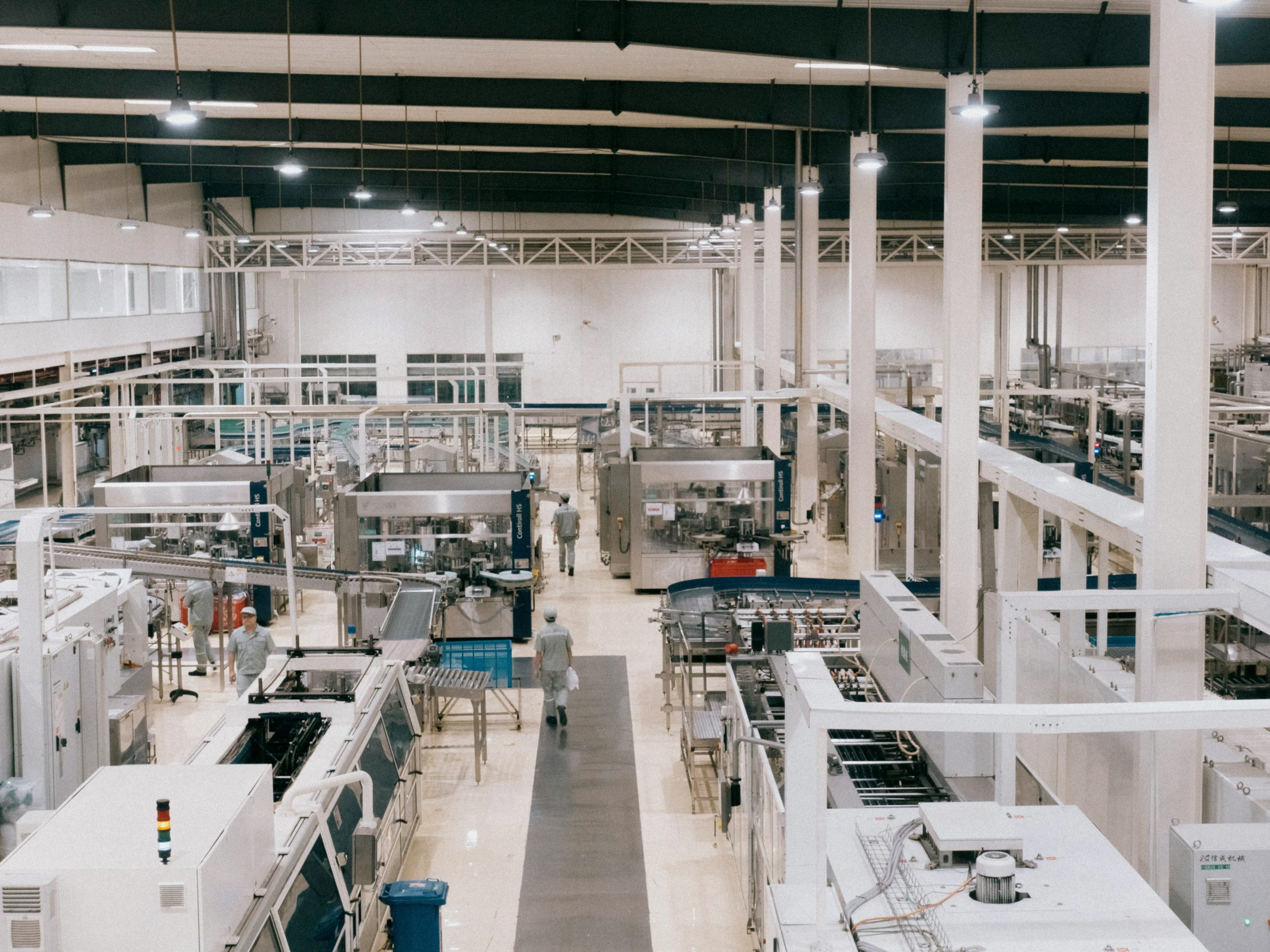
Industrial processes generate airborne particulates that, if uncontrolled, threaten worker safety, equipment longevity, and regulatory compliance. Choosing the optimal fabric filter media directly addresses dust collector performance, balancing temperature tolerance, chemical compatibility, airflow, durability, and cost.
In this guide, you will learn what fabric filter media is, how primary types compare, key selection criteria, pros and cons of each option, application-specific recommendations, expert design considerations from American Fabric Filter, and where to access visual comparison tools. Learn to confidently match the right media to your food, wood, chemical, mineral, or pharmaceutical dust collection needs.
What Is Fabric Filter Media and Why Is It Important?
Fabric filter media are engineered textiles used in baghouse or cartridge dust collectors to separate solid particles from gas streams. Proper media selection ensures efficient dust capture, low pressure drop, and long service life in harsh industrial environments.
What Are the Core Properties of Fabric Filter Media?
Fabric filter media performance hinges on several attributes that determine efficiency and durability:
- Air Permeability: Measured in cubic feet per minute per square foot (cfm/ft²), it controls airflow and pressure drop.
- Temperature Resistance: Defines continuous and peak operating temperatures, from 275°F for polyester up to 500°F for fiberglass.
- Chemical Compatibility: Indicates resistance to acids, alkalis, solvents, and hydrocarbons.
- Abrasion Resistance: Reflects the media’s ability to withstand high-velocity, abrasive dust.
- Filtration Efficiency: Expressed as a percentage of submicron particle capture.
- Cost: Balances upfront material price with lifecycle value and maintenance frequency.
How Does Fabric Filter Media Improve Industrial Filtration Efficiency?
Fabric filter media enhances industrial filtration efficiency by providing a uniform barrier that traps particles as gas flows through the filter wall. Fine fiber structures and surface treatments promote cake formation for secondary filtration without excessive pressure drop. Optimized media maintain consistent airflow, reduce energy consumption, and extend filter cleaning intervals—delivering cleaner exhaust and lower operating costs.
Study on the Filtration Performance of the Baghouse Filters for Ultra-Low Emission as a Function of Filter Pore Size and Fiber Diameter
Research indicates that the filtration performance of baghouse filters is significantly influenced by filter pore size and fiber diameter. Smaller pore sizes and fiber diameters lead to improved filtration resistance and efficiency, particularly for capturing fine particulate matter like PM2.5. The average pore size is identified as a key determinant of filtration performance in surface filtration media.
What Are the Common Types of Fabric Filter Media?
Several fabric filter media types dominate industrial dust collection:
- Polyester – Versatile, cost-effective, moderate temperature use.
- Aramid (Nomex) – High-temperature resistance and strength.
- PPS (Ryton) – Superior chemical and hydrolysis resistance.
- PTFE (Teflon) – Extreme chemical and temperature tolerance.
- Fiberglass – Very high temperature capacity at lower cost.
- Acrylic – Acid and alkali resistance with moderate temperature limits.
These categories form the basis for detailed comparison and selection.
How Do Different Fabric Filter Media Types Compare?
To evaluate each media type, consider temperature limit, chemical resistance, abrasion tolerance, cost, and typical applications.
| Filter Media | Max Temp (°F) | Chemical Resistance | Abrasion Resistance | Relative Cost | Key Applications |
|---|---|---|---|---|---|
| Polyester | 275 | Good acids; poor strong alkalis | Moderate | Low | Cement, wood, grains |
| Aramid (Nomex) | 400 | Fair acids; moderate alkalis | High | Medium | Metals, ceramics, high-heat |
| PPS (Ryton) | 375 | Excellent acids & alkalis | High | Medium-High | Chemical, mineral processing |
| PTFE (Teflon) | 500 | Outstanding across all pH | Very High | High | Corrosive gas streams, pharma |
| Fiberglass | 500 | Moderate acids & alkalis | Low-Moderate | Low-Medium | Steel foundries, high heat |
| Acrylic | 300 | Very Good acids & alkalis | Low-Moderate | Low-Medium | Acid mist, alkali fumes |
This table highlights how each media aligns with temperature, chemical demands, and budget considerations. Next, refine selection by matching criteria to your application.
What Are the Key Criteria for Choosing the Best Fabric Filter Media?
Selecting the right media involves a systematic evaluation of process conditions and performance priorities.
How Does Operating Temperature Influence Filter Media Selection?
Operating temperature dictates which media maintain structural integrity and filtration performance:
- Polyester: up to 275°F continuous
- Acrylic: 300°F
- PPS: 375°F
- Aramid: 400°F
- PTFE & Fiberglass: up to 500°F
Exceeding a media’s temperature limit accelerates fiber oxidation, loss of tensile strength, and premature failure.
Why Is Chemical Compatibility Critical in Media Choice?
Chemical resistance prevents media degradation when exposed to acids, alkalis, solvents, or corrosive fumes. For example, PPS and PTFE resist strong alkalis and solvents, while polyester may hydrolyze in acidic or moist environments. Confirm media compatibility with your process chemistry to avoid reduced filter life.
How Does Abrasion Resistance Affect Filter Media Durability?
Abrasive dust streams containing silica or mineral particulates scour filter fibers. Aramid and PPS offer superior abrasion resistance for heavy-duty applications, while fiberglass and acrylic are prone to pitting and fiber breakage if abrasive loading is high.
What Role Does Filtration Efficiency Play in Media Selection?
High filtration efficiency (99+% for submicron dust) is essential for regulatory compliance and product quality. PTFE-membrane laminated media deliver up to 99.9% efficiency at 0.3 µm, whereas basic polyester captures 95–98% at 1 µm. Balance efficiency with acceptable pressure drop and cleaning frequency.
Experimental Research on Dynamic Filtering Characteristics of Filter Materials for Electrostatic-Fabric Integrated Precipitator
This experimental research compared the dynamic dust removal performance of various filter media, concluding that polyphenylene sulfide (PPS) filter media demonstrated superior filtration performance stability compared to polyimide (PI) and polytetrafluoroethylene (PTFE) over extended operational periods. The study also highlighted that membrane-coated filter media generally offer the best overall filtration performance.
How Does Cost Impact the Choice of Fabric Filter Media?
An inexpensive media with frequent replacements may cost more over time than a premium media with extended life. Evaluate total cost of ownership, including material, cleaning system compatibility, labor, and downtime.
How Do Industry-Specific Requirements Affect Media Selection?
- Food: Sanitation and FDA compliance favor PTFE or FDA-grade polyester.
- Wood: High dust loads and abrasion call for aramid or PPS.
- Chemical: Corrosive environments require PTFE or PPS.
- Mineral: High temperature and abrasion favor fiberglass or aramid.
- Pharmaceutical: Cleanability and containment point to PTFE-membrane media.
Industry regulations and product purity drive tailored media choices.
What Are the Advantages and Limitations of Each Fabric Filter Media Type?
Understanding trade-offs helps engineers specify the optimal solution.
What Are the Strengths and Weaknesses of Polyester Filter Media?
Polyester filters offer low cost, ease of use, and good general-purpose performance. However, they degrade above 275°F, resist only mild acids, and have moderate abrasion tolerance. These factors limit use in hot, corrosive, or highly abrasive environments.
How Does Aramid Compare to PPS in High-Temperature Applications?
Aramid excels in high-temperature stability up to 400°F and resists abrasion, while PPS withstands similar heat (375°F) but offers superior hydrolysis resistance in moist, acidic conditions. For pure heat intolerance, aramid leads; for combined heat and chemical exposure, PPS is preferred.
What Are the Trade-Offs When Using PTFE Filter Media?
PTFE media deliver unmatched chemical resistance and filtration efficiency but come at a premium price. They require compatible cleaning systems to avoid damage and may have higher initial pressure drop. Consider PTFE when process demands justify lifecycle gains.
When Is Fiberglass Preferred Despite Its Limitations?
Fiberglass provides a cost-effective option for extreme heat up to 500°F, but it is brittle and less resistant to abrasion or acid fumes. It is ideal in dry, high-temperature steel, foundry, or power generation applications where chemical attack is minimal.
What Are the Application Constraints of Acrylic Filter Media?
Acrylic filters resist acid and alkali exposure, but their lower abrasion tolerance and temperature limit (300°F) restrict use in heavy-dust or high-heat streams. They serve well in controlled, corrosive fume environments at moderate temperatures.
How Can You Match Fabric Filter Media to Your Industrial Application?
Tailoring media to specific processes maximizes performance and value.
Which Filter Media Are Best for Food Industry Dust Collection?
Food-grade dust collection requires FDA-compliant materials, minimal fiber shedding, and easy clean-in-place capability. PTFE-membrane or FDA-approved polyester provide sanitary performance and high efficiency without contaminating food products.
What Media Types Suit Wood Dust and Abrasive Particulates?
Wood processing creates coarse, abrasive dust. Aramid or PPS filter bags resist fiber wear and maintain airflow over extended cycles, reducing downtime for bag replacement.
How to Select Filter Media for Chemical and Mineral Processing?
Chemical plants and mineral operations expose filters to acids, alkalis, moisture, and high heat. PPS handles chemical hydrolysis, while PTFE resists aggressive solvents. Fiberglass can survive extreme temperatures in mineral kilns but must be paired with upstream scrubbers to mitigate acid attack.
What Are the Best Filter Media for Pharmaceutical Dust Collection?
Pharmaceutical dust collectors demand containment, cleanability, and compliance with cGMP. PTFE-membrane cartridges and FDA-grade polyester bags ensure tight particle capture, easy sanitization, and validation documentation for regulatory audits.
What Are the Most Frequently Asked Questions About Fabric Filter Media?
What Are the Different Types of Fabric Filter Media?
Key types include Polyester, Aramid (Nomex), PPS (Ryton), PTFE (Teflon), Fiberglass, and Acrylic—each tailored to temperature, chemical exposure, and abrasion conditions.
How Do I Choose the Right Filter Media for My Dust Collector?
Evaluate your process’s operating temperature, chemical environment, dust abrasiveness, moisture content, required efficiency, and budget to identify the optimal media.
What Is the Temperature Limit for Polyester Filter Bags?
Polyester filter bags typically sustain continuous use up to 275 °F (135 °C) with brief peaks to 300 °F (149 °C) before polymer degradation accelerates.
What Is the Difference Between Woven and Non-Woven Filter Media?
Woven media provide uniform pore size and mechanical strength, while non-woven felts offer depth filtration, higher dust holding capacity, and often enhanced efficiency.
Which Fabric Filter Media Offers the Highest Filtration Efficiency?
PTFE-membrane laminated media achieve >99.9% efficiency on submicron particles, outperforming uncoated polyester or acrylic in ultra-fine dust applications.
How Does American Fabric Filter Provide Custom Solutions for Fabric Filter Media?
American Fabric Filter combines deep media expertise with manufacturing capabilities to deliver tailored filtration products that meet exact industrial requirements.
What Custom Filter Bag Options Are Available by Media Type?
Customers can specify media, seams, finishes, and coatings—such as PTFE-laminate on polyester or water-resist treatments on PPS—ensuring optimal performance in unique process conditions.
How Does American Fabric Filter Ensure Quality and Performance?
Stringent quality control protocols—melt-flow tests, air permeability verification, tensile strength measurements, and pleat integrity inspections—confirm that every filter meets or exceeds industry standards.
How Can Customers Get Expert Advice on Filter Media Selection?
Our technical support team collaborates with process engineers to analyze dust composition, temperature profiles, and chemical exposures to recommend the best media and filter design.
What Case Studies Demonstrate Successful Media Applications?
A case study in a wood pellet plant saw aramid filter bags extend service life by 40%, while a chemical facility switched to PPS cartridges and reduced downtime by 30%. These examples showcase custom media matching real-world challenges.
Conclusion
By understanding fabric filter media properties, comparing key materials, and applying industry-specific selection criteria, you can optimize dust collection performance and lifecycle value.
Partnering with American Fabric Filter ensures you access custom solutions, expert consultation, and proven results across food, wood, chemical, mineral, and pharmaceutical sectors. Contact our experts to explore your next dust collector upgrade with precision-matched fabric filter media.


