In many industrial settings, dust collection systems are crucial for maintaining air quality and ensuring worker safety. However, what often goes unnoticed are the hidden costs associated with inefficient dust collector systems. These costs can significantly impact both operational efficiency and financial performance. Understanding these hidden costs and implementing effective dust collection solutions can save companies not only money but also time and resources.
What Makes Your Dust Collection System Inefficient?
An inefficient dust collection system can silently drain a company’s resources, often without immediate notice. When industrial dust is not effectively managed, it leads to an increased volume of dust in the workspace, which can compromise the air filtration quality. This may be time to consider that things can cause serious problems in your dust management efforts, including the condition of your air filter and the overall design of your HVAC system.
Failure to address these issues can result in the efficiency of your dust collection system dropping significantly, preventing it from performing at its maximum efficiency. Following proper dust collection advice is essential to get your dust collection system back on track. Upgrading or maintaining industrial dust collectors and utilizing a dust deputy can help ensure the system operating at peak efficiency, ultimately saving costs and improving workplace safety.
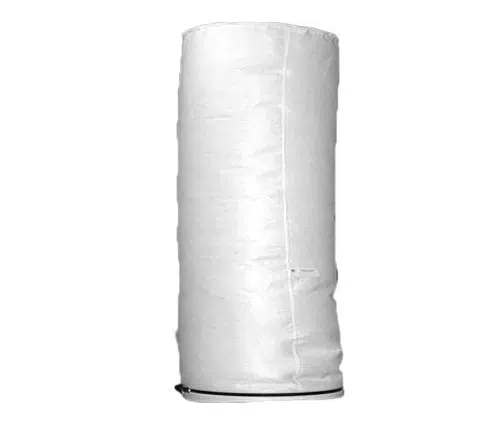
Regularly checking your dust collector bag and assessing your dust collection needs also play a crucial role in maintaining the system’s performance. By doing so, you can enhance overall efficiency and uncover potential problems before they escalate, safeguarding your business from unnecessary expenses and hazards.
Hidden Costs of A Poor Dust Collector
Increased Energy Bills: Overworked systems consume more power
As energy bills rise, many facilities are discovering that overworked systems consume more power, particularly when dust and chips accumulate. Machines often collect dust in hard-to-reach areas, leading to larger dust buildups that can inhibit filtration performance. This accumulation not only increases energy costs but can also uncover potential problems that could cause unexpected downtime. A poorly maintained dust filter or a malfunctioning baghouse dust collector may waste compressed air, as compressed air can be wasted when cleaning systems are incorrectly managed.
To mitigate these issues, facilities should consider the lifecycle of their pulse-jet baghouse systems. Regular maintenance ensures that bag performance and lifecycle is not affected, helping to maintain peak efficiency. Additionally, addressing fugitive dust can prevent unnecessary energy expenditure. By investing in a new dust management solution, businesses can optimize operations and ultimately lower their energy bills.
Frequent Maintenance and Repairs: Worn-out components due to excessive buildup.
Frequent maintenance and repairs are crucial in ensuring the longevity and performance of a cartridge dust collector. Worn-out components often result from excessive buildup of dust, leading to increased dust levels and a decrease in dust collector performance. A well-maintained pulse-jet baghouse is a system designed to operate at peak efficiency, but neglecting regular checks can uncover potential issues that may compromise its functionality. As dust accumulates, it can require dust disposal, significantly raising disposal costs and additional maintenance costs over time.
The effectiveness of your dust collection system hinges on the condition of the dirt bags. When the bags life has come to an end, the need to buy a new dust collection system may arise, especially if you have a larger dust collector that processes high volumes of air measured in cubic feet per minute. Untrained personnel performing dust collector service can shorten the lifespan of your equipment, particularly if they overlook simple tasks like fixing a poorly fitted access door or replacing worn parts, which can incur significant costs for parts.
Production Downtime: System breakdowns can halt operations.
Production downtime can severely impact a company’s ability to operate at peak efficiency. When system breakdowns occur, they not only halt operations but also uncover potential inefficiencies within the production process. One critical aspect that often contributes to these breakdowns is the accumulation of dust. It is essential to ensure the dust is effectively managed to prevent machinery from becoming clogged. Excessive amounts of dust can lead to overheating and eventual failure of vital equipment.
Moreover, dust collecting in machinery can inhibit performance, making regular maintenance crucial. Utilizing dust bags can aid in controlling this issue, ensuring that equipment operates smoothly. Without proper management, dedicated dust systems may become ineffective. Furthermore, if dust might accumulate unnoticed, it can create a hazardous work environment. Lastly, having untrained personnel attempt to handle these situations will shorten the lifespan of the equipment and increase downtime, ultimately affecting productivity and profitability.
Regulatory Fines: Failure to meet air quality compliance standards.
Regulatory fines have become a significant concern for companies failing to meet air quality compliance standards. These penalties can be severe, affecting both financial stability and public reputation. To ensure compliance, organizations must operate at peak efficiency, optimizing processes and technologies to minimize emissions. Regular audits and monitoring systems can help uncover potential issues before they escalate, enabling proactive measures to address deficiencies.
Moreover, the risk of non-compliance is heightened when untrained personnel will shorten the lifespan of equipment and compromise operational effectiveness. Investing in proper training and education for staff is essential to maintain high standards of air quality and adhere to regulatory requirements. By prioritizing employee development and fostering a culture of compliance, companies can significantly reduce the likelihood of incurring fines while simultaneously enhancing their overall operational performance.
Health & Safety Risks: Workplace hazards leading to potential lawsuits.
Workplace hazards can significantly impact employee well-being, leading to serious health and safety risks. When organizations fail to identify and mitigate these hazards, they not only jeopardize their workforce’s safety but also expose themselves to potential lawsuits. To operate at peak efficiency, employers must prioritize the identification of hazards, ensuring that all safety protocols are effectively implemented.
In addition to physical dangers, such as slips, trips, and falls, psychological stressors can also create a hostile work environment. Employers should actively engage in training programs that aim to uncover potential risks before they escalate into more severe issues. By fostering a culture of safety and vigilance, organizations can minimize their liability while promoting a healthier workplace.
Ultimately, addressing these risks is not only a legal obligation but an ethical responsibility. A proactive approach to health and safety can lead to improved employee morale and productivity, creating a win-win situation for both employers and employees.
How to Avoid These Costs:
Regular System Audits: Identify performance issues early.
Regular system audits are crucial for maintaining optimal performance within any organization. By conducting these audits on a consistent basis, companies can identify performance issues early, ensuring that systems operate at peak efficiency. This proactive approach allows for timely interventions that can prevent minor issues from escalating into major problems, ultimately safeguarding productivity and profitability.
Additionally, regular audits help to uncover potential vulnerabilities and inefficiencies that may otherwise go unnoticed. By analyzing system performance, organizations can pinpoint areas for improvement and implement necessary changes. This not only enhances overall operational effectiveness but also fosters a culture of continuous improvement.
Invest in Custom Filters: Tailor-made filters improve efficiency.
Investing in custom filters can significantly enhance operational performance across various industries. By creating tailor-made filters, businesses can achieve peak efficiency in their processes, ensuring that resources are used optimally. These filters allow for the precise separation of materials, leading to reduced waste and increased productivity.
Moreover, custom filters can help organizations uncover potential that may have been overlooked with standard solutions. By addressing unique requirements, companies can identify new opportunities for growth and innovation. This targeted approach not only streamlines operations but also fosters a culture of continuous improvement.
Upgrade Outdated Equipment: Consider modern dust collection technologies.
Upgrading outdated equipment is essential for businesses looking to enhance operational performance and maintain competitive advantage. By incorporating modern dust collection technologies, organizations can achieve peak efficiency in their processes. These advanced systems not only improve air quality but also streamline workflow, ultimately leading to increased productivity.
When evaluating current equipment, it is crucial to identify areas where improvements can be made. Investing in new dust collection solutions allows companies to uncover potential for cost savings and better compliance with environmental regulations.
Furthermore, the adoption of innovative technologies can significantly reduce maintenance costs and extend the lifespan of machinery. By prioritizing upgrades, organizations can create a safer working environment and enhance overall employee satisfaction, paving the way for future growth and success.
Routine Maintenance Plans: Preventative care saves long-term costs.
Routine maintenance plans are essential for any organization aiming to operate at peak efficiency. By implementing preventative care strategies, businesses can significantly reduce the likelihood of unexpected breakdowns and costly repairs. Regular check-ups and servicing not only ensure that equipment remains in optimal condition but also help to uncover potential issues before they escalate into major problems. This proactive approach allows companies to allocate their resources more effectively, minimizing downtime and maximizing productivity.
Moreover, the long-term financial benefits of routine maintenance cannot be overstated. Investing in preventative care reduces the need for emergency repairs, which often come with inflated costs and can disrupt operations. By prioritizing maintenance, organizations can extend the lifespan of their assets and avoid the expenses associated with premature replacements. Ultimately, a well-structured maintenance plan serves as a cornerstone for sustainable growth and operational excellence.
Recap of why addressing dust collection inefficiencies is a smart business investment.
Addressing dust collection inefficiencies is a smart business investment for several reasons. First, optimizing these systems can lead to peak efficiency, ensuring that operations run smoothly and with minimal interruptions. When dust collection systems function at their best, they not only improve air quality but also enhance the overall productivity of the workforce.
Moreover, investing in efficient dust collection can help businesses uncover potential savings in maintenance and operational costs. By reducing the frequency of system failures and the need for repairs, companies can allocate resources more effectively. This proactive approach not only enhances workplace safety but also creates a healthier environment, ultimately contributing to a stronger bottom line.
Whether you’re looking to enhance efficiency, improve air quality, or streamline maintenance, our team of experts is here to help. At American Fabric Filter, we specialize in designing and manufacturing high-performance filtration systems that meet the unique needs of your operation. Our solutions not only optimize your dust collection processes but also promote a safer and healthier work environment.
Don’t let hidden costs eat into your bottom line. With our advanced technology and commitment to quality, we can help you achieve significant savings and improved productivity. Reach out to us today to discuss your specific requirements and let us provide you with a customized plan that works for you. Together, we can create a cleaner, more efficient workspace that drives your business forward.
Contact AFF today for a FREE Estimate.