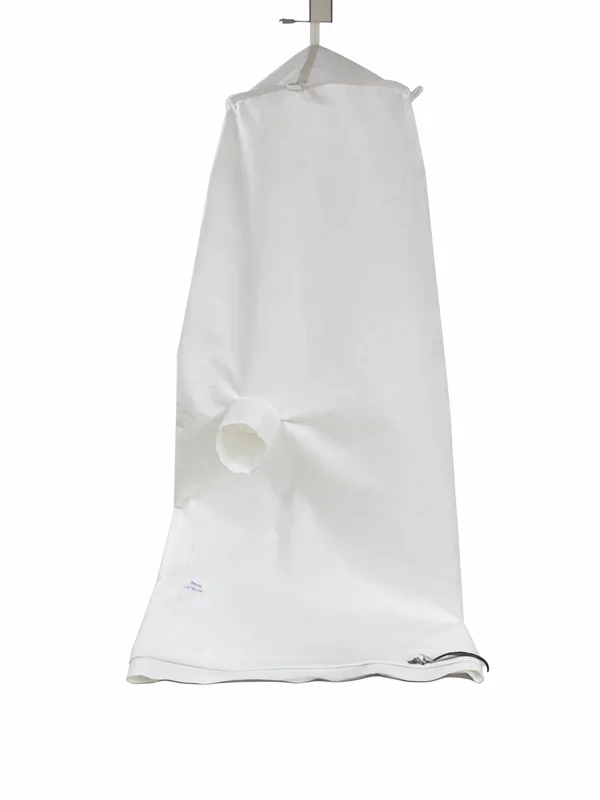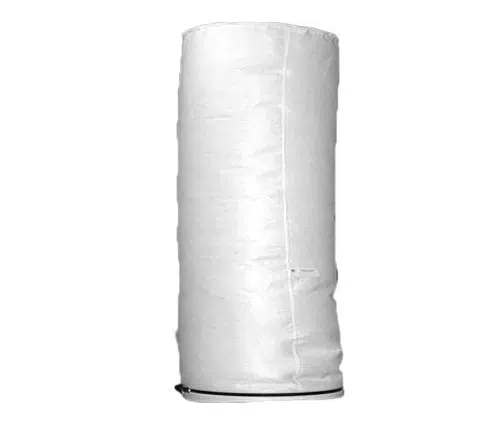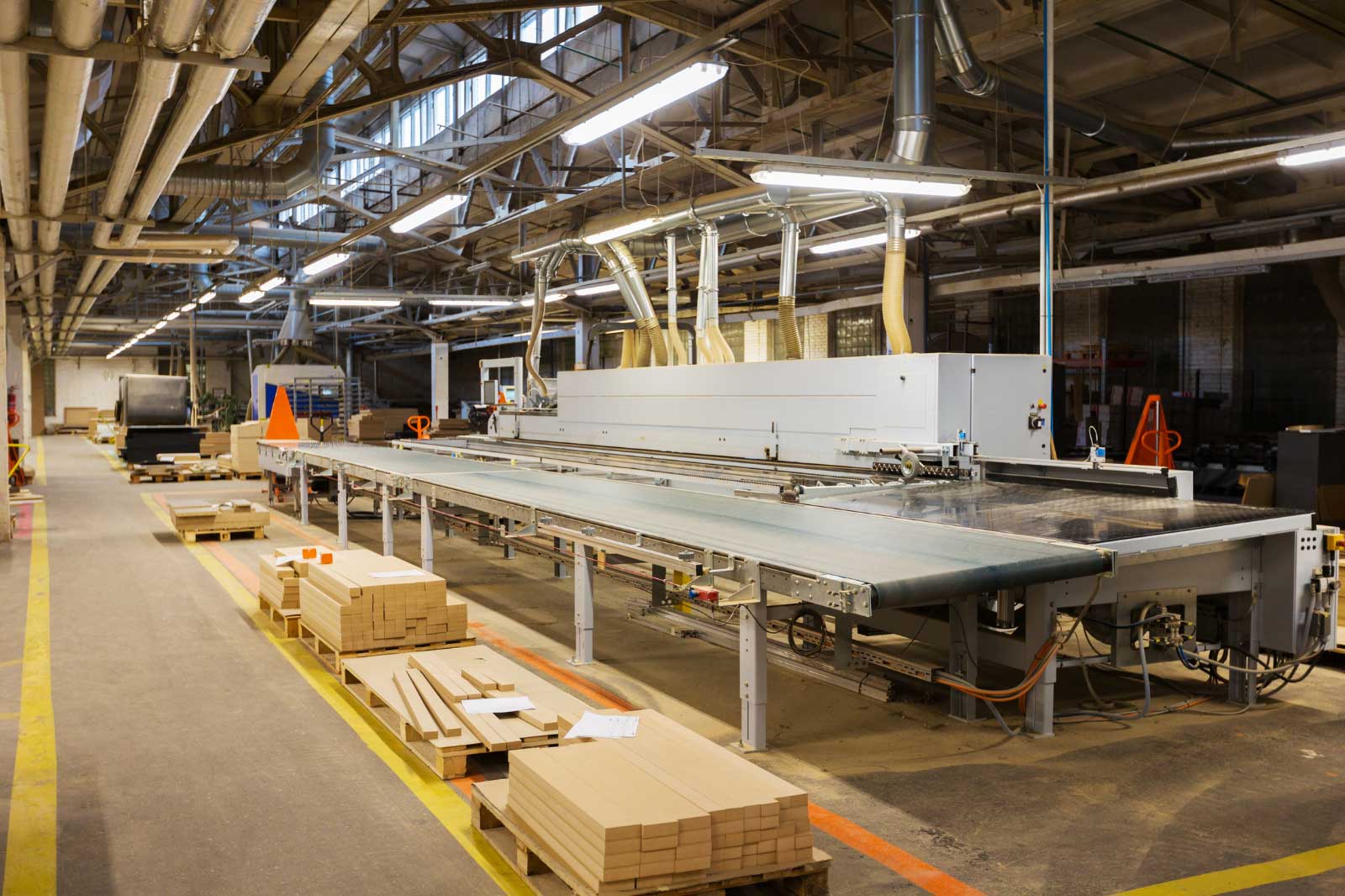
Filter bags play a critical yet often overlooked role in manufacturing processes. These essential components are responsible for ensuring the smooth operation of machinery, maintaining product quality, and safeguarding workplace safety. Despite their importance, filter bags are not immune to wear and tear, and knowing when to replace your filter bags can save your business time, money, and a lot of headaches.
Signs You Need To Replace Your Filter Bags
In this post, we will explore five key signs that indicate it’s time to replace your filter bags. By staying vigilant and proactive, you can keep your manufacturing processes running efficiently and effectively.
Sign 1: Decreased Production Efficiency
One of the first indicators that your filter bags may need replacing is a noticeable drop in production efficiency. When filter bags become clogged or damaged, they can hinder the flow of materials, slowing down the entire manufacturing process. This inefficiency can result in longer production times and increased operational costs.
What to Look For:
- Longer Processing Times: If your machinery is taking longer to complete tasks, it could be due to obstructed filter bags.
- Frequent Downtime: Increased machine downtime for maintenance or cleaning could be a sign that your filter bags are no longer performing optimally.
Sign 2: Poor Product Quality
Filter bags play a crucial role in maintaining the quality of your products. When they become compromised, contaminants can infiltrate the production process, leading to inferior product quality.
What to Look For:
- Contamination: Visible particles or impurities in your finished products.
- Inconsistent Quality: Variations in product quality that could be traced back to filtration issues.
Sign 3: Increased Emissions
Inadequate filtration can result in higher levels of emissions, which can be detrimental to both the environment and workplace safety. If your facility is experiencing increased emissions, it may be time to inspect your filter bags.
What to Look For:
- Visible Dust or Smoke: Increased particulate matter in the air within your facility.
- Failed Emission Tests: Failing regulatory emission tests could indicate that your filter bags are no longer effective.
Sign 4: Physical Wear and Tear
Regular inspection of your filter bags is essential. Over time, filter bags can suffer from physical wear and tear, reducing their efficiency and effectiveness.
What to Look For:
- Holes or Tears: Visible damage to the filter bags.
- Loose Seams: Seams that are coming undone, compromising the bag’s integrity.
Sign 5: Unusual Odors or Sounds
Unusual odors or sounds emanating from your machinery can be a telltale sign that something is amiss with your filter bags. These sensory cues often indicate that the filter bags are no longer functioning as they should.
What to Look For:
- Burning Smell: This could indicate overheating machinery due to restricted airflow.
- Unusual Noises: Sounds such as hissing or rattling may point to issues with the filter bags.
The Impact of Neglecting Filter Bag Replacement
Ignoring the signs that your filter bags need replacing can have severe consequences:
- Machinery Damage: Prolonged operation with faulty filter bags can lead to significant wear and tear on your equipment, resulting in costly repairs or replacements.
- Production Delays: Inefficient filtration can cause production slowdowns, leading to missed deadlines and dissatisfied customers.
- Safety Hazards: Compromised filter bags can increase the risk of workplace accidents and health issues due to poor air quality and contamination.
Tips for Choosing the Right Filter Bags and Maintenance
Selecting the right filter bags and maintaining them properly can extend their lifespan and enhance your manufacturing processes.
Choosing the Right Filter Bags:
- Material Compatibility: Ensure the filter bag material is compatible with the substances being filtered.
- Proper Sizing: Select filter bags that fit your equipment perfectly to avoid leaks and inefficiencies.
- Quality Suppliers: Invest in high-quality filter bags from reputable suppliers to ensure durability and performance.
Maintenance Tips:
- Routine Inspections: Regularly inspect your filter bags for signs of wear and tear.
- Scheduled Replacements: Replace filter bags according to a predetermined schedule to prevent unexpected failures.
- Proper Cleaning: Follow manufacturer guidelines for cleaning filter bags to maintain their effectiveness.
Conclusion: The Importance of Proactive Maintenance
In the fast-paced world of manufacturing, staying ahead of potential issues is crucial. Proactively monitoring and replacing your filter bags can prevent costly downtimes, ensure product quality, and maintain a safe working environment.
By recognizing the signs of worn-out filter bags and taking the necessary steps to address them, you can keep your operations running smoothly and efficiently. Remember, a proactive approach to maintenance is an investment in the longevity and success of your manufacturing processes.