In the realm of industrial filtration, the selection of the right custom filter bags is paramount for achieving optimal performance and efficiency. Filter bags serve a critical role in various applications, ensuring that unwanted particles are effectively removed from liquids, thereby maintaining the integrity of processes and products. This article delves into key considerations such as filter bag size, materials, micron rating, and the overall selection process to help you navigate the complexities of choosing the right solution for your filtration system.
What is the Importance of Filter Bag Size in Industrial Filtration?
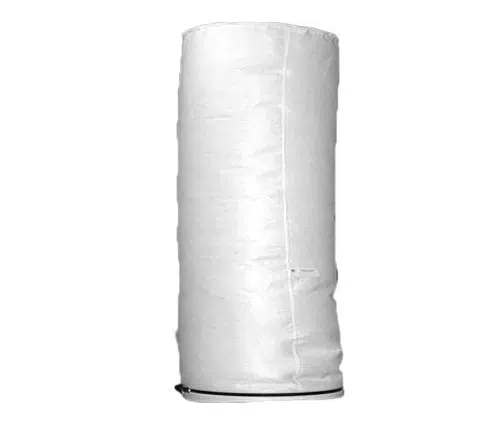
The size of a filter bag is crucial in determining its effectiveness in a filtration system. Selecting the appropriate filter bag size ensures that the bag fits securely within the filter housing, preventing bypass of unfiltered liquid and maximizing the surface area available for capturing particulate matter. An incorrectly sized filter bag can lead to inefficiencies in the filtration process, increased operational costs, and potentially compromised product quality.

How to Determine the Right Filter Bag Size?
To determine the right filter bag size, one must consider several factors, including the diameter of the filter housing and the specific flow rate required for the application. Most filter bags are designed to fit standard bag filter housings, which come in various sizes. It is also essential to account for the particulate load the filter bag will encounter; a bag filter designed for high flow rates may require a larger diameter to accommodate the increased volume while maintaining efficiency. Additionally, you should consult technical specifications and manufacturer guidelines to ensure compatibility with your existing filtration system.
What Happens if Filter Bag Size is Incorrect?
If the filter bag size is incorrect, several issues can arise. A bag that is too small may not fully seal within the filter housing, allowing liquid to bypass the filtration process, which can lead to contamination and the presence of unwanted particles in the final product. Conversely, a bag that is too large can create unnecessary pressure drop, hindering liquid flow and reducing the overall efficiency of the filtration system. In both cases, performance is compromised, leading to increased maintenance costs and decreased operational efficiency.
Common Sizes for Custom Filter Bags
Custom filter bags are available in a variety of common sizes to suit different industrial applications. Standard sizes vary from 1 to 7, with diameters typically ranging from 4 inches to 7 inches. However, custom dust bag sizes can be manufactured to meet specific requirements. When selecting a size for your liquid filter bags, it is essential to ensure that it aligns with the specifications of your filter bag housings and the unique needs of your filtration applications.

How Do Different Materials Affect the Efficiency of Filter Bags?
The choice of filter bag materials significantly impacts the efficiency of filtration. Different materials offer varying levels of filtration performance, chemical resistance, and durability, making it essential to choose the right material for your specific application. Common materials used in custom filter bags include polypropylene, polyester, nylon, and felt, each bringing unique benefits depending on the nature of the liquid being filtered and the types of contaminants present.
What Are the Best Materials for Liquid Filter Bags?
When it comes to liquid filter bags, polypropylene and polyester are among the most widely used materials. Polypropylene offers excellent chemical resistance and is ideal for a wide range of applications, including those involving acidic or alkaline solutions. Polyester, on the other hand, is known for its strength and durability, making it suitable for high-temperature applications. For applications requiring higher particulate retention, felt filter bags are often preferred due to their superior dirt-holding capacity and ability to capture finer particulates.
Comparing Felt Filter Bags and Monofilament Mesh Filter Bags
Felt filter bags and monofilament mesh filter bags serve different purposes in industrial filtration. Felt filter bags, made from non-woven fabrics, excel in capturing small particles and providing a larger surface area for filtration, making them ideal for applications requiring high dirt-holding capacity. In contrast, monofilament mesh filter bags are constructed from woven materials that allow for higher flow rates, making them suitable for applications where particulate size is larger and the filtration requirements are less stringent. Choosing between these two types of filter bags depends on the specific filtration goals and the characteristics of the liquid being processed.
Polypropylene vs. Polyester: Which is Better for Your Filtration System?
When deciding between polypropylene and polyester for your filtration system, consider the specific requirements of your application. Polypropylene is lightweight and offers excellent resistance to acids and bases, making it suitable for various liquid filtration applications. Polyester, with its higher tensile strength and heat resistance, is often preferred for applications involving elevated temperatures or more aggressive chemicals. Ultimately, the choice will depend on the chemical compatibility of the material with the liquids being filtered, as well as the environmental conditions of the filtration system.
How Can You Choose a Filter Bag Based on Micron Rating?
The micron rating of a filter bag is a critical factor in determining its effectiveness in capturing unwanted particles. Micron ratings indicate the size of the particles that the filter bag can effectively remove from the liquid. Understanding these ratings is vital for selecting the right filter bag for your specific filtration applications.
Understanding Micron Ratings in Filtration Applications
Micron ratings typically range from 1 micron to 200 microns, with lower ratings indicating the ability to filter out smaller particles. For instance, a 1-micron filter bag will capture particles larger than 1 micron, while a 100-micron filter will allow smaller particles to pass through. The choice of micron rating should be based on the specific contaminants present in the liquid and the desired level of purity for the final product.
How Micron Ratings Influence Filtration Efficiency
The micron rating directly influences the efficiency of the filtration process. A lower micron rating generally results in higher filtration efficiency, as more particulates are captured. However, it is essential to balance the micron rating with the flow rate requirements of the system. A lower micron rating may lead to higher resistance and pressure drop, potentially reducing flow rates and overall system efficiency. Therefore, selecting the appropriate micron rating is essential for optimizing both filtration efficiency and operational performance.
Best Practices for Selecting the Right Micron Rating
To select the right micron rating, first assess the nature of the particulates in the liquid and the level of filtration required. Conducting a thorough analysis of the liquid being filtered can provide insights into the size and type of contaminants present. Additionally, consult with filtration experts or manufacturers to obtain recommendations based on your specific application. By aligning the micron rating with the filtration goals and operational parameters, you can ensure optimal performance from your custom filter bags.
What Are the Key Factors in Selecting Custom Filter Bags for Your System?
Choosing the right custom filter bags requires careful consideration of several key factors. Understanding your industrial filtration needs is the first step in this process, as it lays the foundation for identifying the most suitable filter bags for your application.

How to Assess Your Industrial Filtration Needs?
Assessing your industrial filtration needs involves evaluating the type of liquid being filtered, the nature of the contaminants, and the desired level of filtration. Consider the operational environment, including temperature and chemical exposure, as these factors will influence your choice of filter bag materials and designs. Additionally, understanding the flow rate requirements and the volume of liquid to be processed is essential for selecting filter bags that can meet your production demands without compromising efficiency.
What to Consider When Requesting a Quote for Custom Bags?
When requesting a quote for custom bags, provide detailed information about your filtration system and specific requirements. Include details such as the type of liquid, the nature of the contaminants, desired micron rating, and any specific material preferences. This information will enable OEM manufacturers to recommend filter bags that best suit your needs, ensuring optimal performance and efficiency in your filtration applications.
How to Evaluate the Performance of High Efficiency Filter Bags?
To evaluate the performance of high efficiency filter bags, consider factors such as throughput, particle retention, and pressure drop across the filter. Regular monitoring and testing of the filter bags during operation can provide valuable insights into their effectiveness. Additionally, reviewing feedback from users and production data can help identify any issues or areas for improvement. By maintaining a proactive approach to performance evaluation, you can ensure that your custom filter bags continue to meet the demands of your industrial filtration system.
How Do Bag Filters Work in Liquid Filtration Systems?
Bag filters play a vital role in liquid filtration systems by providing a reliable method for removing unwanted particles from the liquid stream. Understanding the mechanism of bag filters is essential for optimizing their performance and ensuring efficient operation within your filtration system.
Understanding the Mechanism of Bag Filters
Bag filters operate by directing the liquid through the filter media contained within the filter bag. As the liquid flows through, unwanted particles are captured on the surface and within the depth of the filter media. The design of the filter bag, including its micron rating and material, determines the size of particles that can be effectively removed. This mechanism allows for continuous operation, providing a steady flow of filtered liquid while minimizing maintenance requirements.
Benefits of Using Bag Filters in Industrial Filtration
Bag filters offer several benefits in industrial filtration applications. They are known for their high dirt-holding capacity, which allows for longer service life and reduced frequency of filter changes. Additionally, bag filters are typically easier to install and replace compared to other filtration methods, such as filter cartridges. Their ability to handle varying flow rates and particulate loads makes them versatile solutions for a wide range of applications, from water treatment to chemical processing.
Maintenance Tips for Bag Filters in Liquid Filtration Systems
Proper maintenance of bag filters is essential for ensuring optimal performance and longevity. Regular inspections of the filter bags for signs of wear or clogging can help identify issues before they impact filtration efficiency. It is also advisable to establish a routine for replacing filter bags based on the volume of liquid processed and the nature of the contaminants. Implementing a maintenance schedule will not only keep your filtration system running smoothly but also enhance the overall efficiency of your industrial filtration operations.
In conclusion, selecting the right custom filter bags and understanding the intricacies of bag filtration systems are critical components for achieving high efficiency in industrial filtration applications. By thoroughly assessing your filtration needs, considering key factors such as micron rating and material compatibility, and adhering to maintenance best practices, you can enhance the performance and longevity of your filtration systems. Investing time in understanding these fundamentals can lead to significant improvements in operational efficiency, cost savings, and product quality, ensuring your filtration processes remain effective in meeting the demands of your specific industry. Contact us today to find the best filter for your needs.