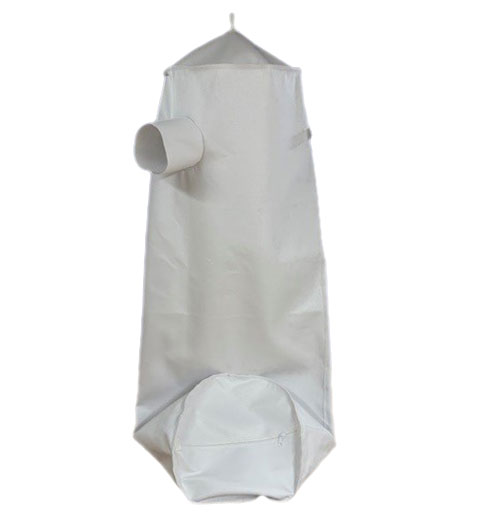
Proper dust collector bag care ensures cleaner air, fewer allergens, and longer equipment life for workshops and industrial settings. Many overlook routine inspections and gentle cleaning techniques, leading to poor air quality and reduced operational efficiency. This guide delivers actionable best practices for dust bag maintenance, covering why regular care matters, types of filter bags, inspection schedules, step-by-step cleaning methods, replacement signals, troubleshooting tips, and lifespan-extending strategies. Readers will learn how simple safety precautions, targeted cleaning methods, and timely replacements support operational health and protect dust collection systems.
Why Is Dust Collector Bag Care Important for Your Operations?
Maintaining a clean dust collector bag captures airborne particles before they recirculate, directly improving workplace air quality. When filter media clogs, suction drops and fine dust escapes into the environment, elevating respiratory risks for personnel. Proper bag care removes trapped particulates and restores airflow capacity, thereby preventing contaminants from accumulating. Ensuring fresh filter performance also reduces strain on the collector’s motor, extending equipment lifespan and cutting maintenance costs over time. With cleaner air and reliable operation, businesses can maintain a safer and more productive work environment.
How Does Proper Bag Care Improve Air Quality in the Workplace?
Regularly cleaning or replacing filter bags removes accumulated dust particles that can re-emit into the workspace. Clean bags maintain optimal airflow and capture efficiency, which prevents fine particulates from settling on surfaces or circulating through ventilation systems. By sustaining high filtration performance, properly cared-for bags lower indoor particulate levels and minimize respiratory irritants for employees.
Importance of Air Quality in Work Environments
Maintaining good indoor air quality is crucial for respiratory health and overall worker well-being. Regular cleaning and maintenance of dust collection systems can significantly reduce the presence of airborne contaminants and irritants in the work environment, leading to improved health outcomes and reduced absenteeism.
Occupational Safety and Health Administration (OSHA), “Control of Hazardous Energy (Lockout/Tagout)”
This citation supports the article’s emphasis on the importance of safe operational practices, including the maintenance of dust collection systems, to ensure worker safety and health.
This citation highlights the critical need for maintaining safe working conditions, which includes effective dust control measures to protect employee health.
What Are the Health Risks of Neglecting Dust Collector Bag Maintenance?
Ignoring filter bag care allows dust to bypass clogged media and settle on equipment and surfaces, increasing exposure to wood fibers, drywall dust, and other industrial particulates. Over time, inhaled particulates can trigger respiratory issues, chronic coughing, and allergy flare-ups. Poorly maintained bags also foster microbial growth in moist dust layers, introducing contaminants that can aggravate sinus issues and respiratory infections. Addressing these risks early by following best practices helps businesses avoid costly health-related claims and keeps work environments safer.
How Does Dust Affect Allergies and Respiratory Health in the Workplace?
Industrial dust often contains fine particles that irritate nasal passages and airways. Cumulative exposure can lead to persistent respiratory symptoms and reduced lung function. A well-maintained dust collector bag traps these contaminants at the source, cutting indoor particulate counts and alleviating potential health issues for sensitive individuals. Businesses that consistently service their bags notice clearer air and improved breathing conditions for their workforce.
What Types of Dust Collector Bags Are Used in Industrial and Shop Systems?
Industrial and shop dust collectors use a variety of filter bag materials and designs to match different applications. Choosing the right media balances filtration efficiency against durability and ease of cleaning. Understanding common materials helps businesses select filter bags that optimize airborne particle capture and support long-term performance in demanding environments.
What Are the Common Materials for Industrial Dust Collector Bags?
Below is a comparison of popular filter bag materials, their typical ratings, and benefits in an industrial setting:
| Material | Filtration Rating | Durability | Application Suitability |
|---|---|---|---|
| Polyester Cloth | 1–5 micron | High tear resistance, good chemical resistance, easy cleaning | General dust, fine particulates, moderate moisture |
| Cotton Canvas | 5–15 micron | Breathable, cost-effective, good for coarser dust | Wood dust, general workshop debris |
| HEPA-Style Felt | 0.3 micron | Excellent allergen and fine particle capture, requires careful handling | Cleanrooms, sensitive environments, fine dust control |
| Paper Cartridge | 5–10 micron | Disposable convenience, good for dry, non-abrasive dust | Temporary use, specific dust types, ease of disposal |
Types of Dust Collector Bags and Materials
Different materials used in dust collector bags, such as polyester cloth, cotton canvas, and HEPA-style felt, offer varying levels of filtration efficiency and durability. The choice of material should be based on the specific application, considering factors like the type of dust generated, the required level of air filtration, and operational conditions.
Industrial Filtration Solutions, “Guide to Filter Media”
This citation provides information on the different types of dust collector bags and their materials, which is relevant to the article’s discussion on choosing the right filter bag for different applications.
Each material offers a balance of fine particle capture and practical maintenance needs. Selecting the right bag type sets the foundation for effective dust control and efficient operational routines.
How Do Different Bag Materials Affect Filtration and Durability?
Different fabrics combine weave density and fiber properties to deliver varying airflow resistance and cleanability. Polyester resists moisture and repeated effective cleaning cycles, while cotton canvas provides budget-friendly filtration but may degrade faster under harsh conditions. HEPA-style felt captures nearly all fine particulates but requires gentler handling to avoid matting. Paper cartridges simplify disposal but lack long-term durability. Matching material characteristics to workshop dust types and usage frequency optimizes both air quality and equipment lifespan.
Which Bag Types Are Best for Industrial Dust and Workshop Debris?
Operations generating fine dust benefit from polyester or HEPA-style materials for superior particle control, while cotton canvas handles coarser debris effectively. For heavy-duty applications or frequent change-outs, disposable paper cartridges offer convenience. Utilizing a robust primary bag with a secondary filter can capture a wider range of particle sizes, ensuring peak filtration performance.
When and How Often Should You Inspect and Clean Your Dust Collector Bag?
Establishing a regular inspection schedule prevents performance declines and operational hazards. Timely cleaning or replacement keeps suction levels steady and avoids prolonged exposure to escaped dust. Personnel can use visual checks and basic performance cues to monitor bag condition without specialized tools.
What Is a Simple Inspection Schedule for Industrial Dust Collector Bags?
A practical schedule for industrial use includes:
- Weekly visual checks for dust buildup and fabric discoloration.
- Inspection after every 40–80 hours of active collection.
- Airflow checks before critical operational periods.
Regular inspections trigger cleaning before significant suction loss occurs and maintain optimal dust capture. Consistency ensures efficient operation for every task.
What Are the Signs That Your Dust Collector Bag Needs Cleaning?
Watch for these indicators:
- Noticeable drop in suction or increased motor noise.
- Visible dust layer forming on the outside of the bag.
- Dust escaping the collector’s exhaust port.
- Slight musty or dusty odor near the collection unit.
Observing any of these signs means it’s time to service the bag. Prompt attention restores airflow and prevents residual dust from circulating back into the workspace.
How Can You Monitor Bag Performance Without Technical Tools?
Simple, non-technical indicators include:
- Feeling suction strength at the intake port with your hand.
- Observing collection rate in the dust bin slowing down.
- Tapping the bag lightly to see how much dust dislodges.
- Noticing the collector motor struggling or running hotter than usual.
These cues help personnel gauge filter condition at a glance, guiding timely cleaning and replacements to maintain efficient operations.
How to Clean Your Dust Collector Bag: Step-by-Step Maintenance Guide
Effective cleaning removes dust “cake” while preserving filter integrity. Following safety precautions and preferred methods keeps bags functional and prevents damage that undermines filtration performance.
What Safety Precautions Should You Take Before Cleaning?
Before servicing any dust bag, follow these steps:
- Ensure the dust collector is powered down and disconnected from its energy source.
- Wear a fitted dust mask (rated N95 or higher) and safety glasses.
- Position the bag outdoors or in a well-ventilated area to avoid creating airborne dust clouds within the facility.
Protecting respiratory systems and eyes prevents inhalation of fine particles and ensures a safe cleaning environment.
What Are the Best Cleaning Methods for Industrial Dust Collector Bags?
Gentle, non-abrasive cleaning extends bag life and maintains filtration:
- Shaking – Dislodge loose dust by tapping the bag frame.
- Compressed Air – Blow air from the inside out at low pressure to remove embedded particles.
- Vacuuming – Use a shop vacuum attachment on the bag exterior to lift dust without wetting.
Avoid vigorous brushing or high-pressure air that can degrade fibers. These methods restore airflow while protecting fabric structure.
Why Should You Avoid Washing Most Dust Collector Bags with Water?
Washing filter bags with water can shrink or distort fabric, degrade filter coatings, and leave moisture that fosters microbial growth. Most manufacturers recommend dry cleaning methods to preserve micron ratings and prevent long-term damage to filter media.
How Do You Properly Dry and Reinstall Your Dust Collector Bag?
After cleaning, follow these steps:
- Hang bags outdoors or in a warm, dry area until completely free of moisture.
- Inspect gaskets and seals for wear before reinstalling.
- Secure the bag collar to its mounting flange to prevent air bypass.
- Run the collector briefly to seat the bag and confirm proper fitment.
Fully dry filter media and correct reinstallation ensure airtight seals and restore capture efficiency for the next operational cycle.
When Should You Replace Your Dust Collector Bag? Signs and Replacement Steps
Even with diligent cleaning, filter bags lose effectiveness over time. Recognizing replacement signals safeguards equipment and maintains efficient operations.
What Are the Common Signs Indicating Bag Replacement Is Needed?
Key indicators include:
- Small tears or holes that allow dust leakage.
- Permanent loss of suction despite thorough cleaning.
- Persistent dusty or musty odors after drying.
- Noticeable fabric thinning or fraying at stress points.
When damage compromises filtration or airflow, a new bag regenerates peak performance and prevents motor strain.
How Do You Replace a Dust Collector Bag in an Industrial System?
Follow these simple steps:
- Power down and disconnect the collector.
- Loosen the mounting clamp or collar securing the old bag.
- Remove the worn bag and discard appropriately.
- Slide a new filter bag into the cage, aligning the collar flange.
- Tighten clamps or gaskets to seal the inlet.
- Reconnect power and test airflow to verify proper installation.
This straightforward process refreshes your collector’s efficiency and protects airflow consistency.
How Can Proper Replacement Prevent Damage to Your Dust Collector?
Installing a fresh bag before fabric integrity fails prevents dust bypass that can enter the motor housing. A sealed filter bag avoids abrasive particles reaching moving parts, reducing wear and minimizing repair costs. Timely replacement preserves collector health and supports efficient operations.
What Are Common Dust Collector Bag Problems and How Can You Troubleshoot Them?
Operations may encounter clogging, tears, or odors in daily use. Simple fixes restore function without professional intervention.
How Do You Fix Persistent Clogging and Reduced Suction?
- Remove and shake the bag outside to break up heavy dust cake.
- Use low-pressure compressed air from the inside out to dislodge fine particles.
- Check the dust bin and hoses for blockages that contribute to backpressure.
Restoring clear filter pores quickly improves airflow and renews capture efficiency.
What Should You Do If Your Bag Has Tears or Holes?
- Inspect the location and size of damage.
- For small pinholes, apply a patch kit or fire-retardant tape on the inside surface.
- Replace the bag if tears exceed 1–2 inches or repair compromises fabric integrity.
Addressing fabric damage promptly prevents dust leakage and protects operational integrity.
How Can You Eliminate Odors Coming from the Dust Collector Bag?
- Remove and air out the bag in direct sunlight to kill microbial contaminants.
- Apply a light spray of diluted vinegar solution to neutralize lingering smells.
- Ensure the bag is fully dry before reinstalling to avoid moisture buildup.
Freshened filter media restores clean airflow and removes stale odors from the workspace.
How Can You Extend the Lifespan of Your Dust Collector Bags?
Proactive care habits and the right tools keep filter bags functioning optimally for longer periods. Preventative measures reduce replacement frequency and enhance operational consistency.
What Are Best Practices for Proper Bag Usage and Maintenance?
- Avoid overfilling the dust bin to reduce fabric stress.
- Empty the collection chamber before 50 percent capacity to maintain airflow.
- Use pre-filters or spark arrestors when handling abrasive or hot particulate matter.
These habits protect bag media and support efficient dust capture for every task.
How Does Regular Maintenance Improve Bag Lifespan and Air Quality?
Regular cleaning and inspection remove abrasive particles that wear down fibers, while timely tightening of seals prevents leakage. This dual focus on fabric care and airtight installation extends bag life and sustains high filter efficiency, ensuring operations benefit from cleaner air and fewer filter replacements.
What Tools and Supplies Help Maintain Your Dust Collector Bag Effectively?
Below is a list of essential tools and supplies for dust bag upkeep:
- Shop vacuum with soft brush attachments
- Low-pressure air compressor or canned air
- Patching tape or cloth repair kit
- Replacement gaskets or mounting clamps
- N95-rated dust masks and safety glasses
Keeping these items on hand streamlines routine service tasks and supports quick responses to performance issues.
Operations that follow these best practices for dust bag maintenance benefit from improved air quality, reduced operational downtime, and longer-lasting equipment—all contributing to a more efficient and safer work environment.
For expert advice on filter bag materials and high-quality fabrics, explore resources on our website or contact us today!
Proper care of dust collector bags combines safety, regular inspections, gentle cleaning, and timely replacement to deliver consistent air filtration. Embracing these routines empowers businesses to maintain operational cleanliness and safeguard worker health. Continuous attention to bag performance ensures every task proceeds smoothly with clean air and reliable dust collection.