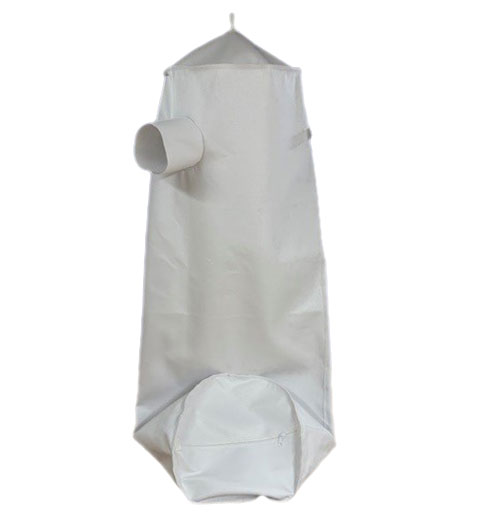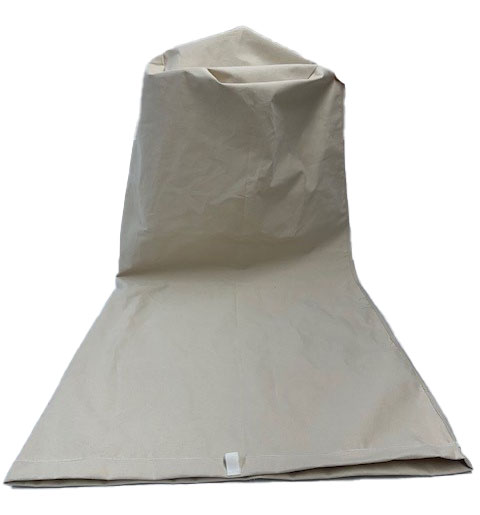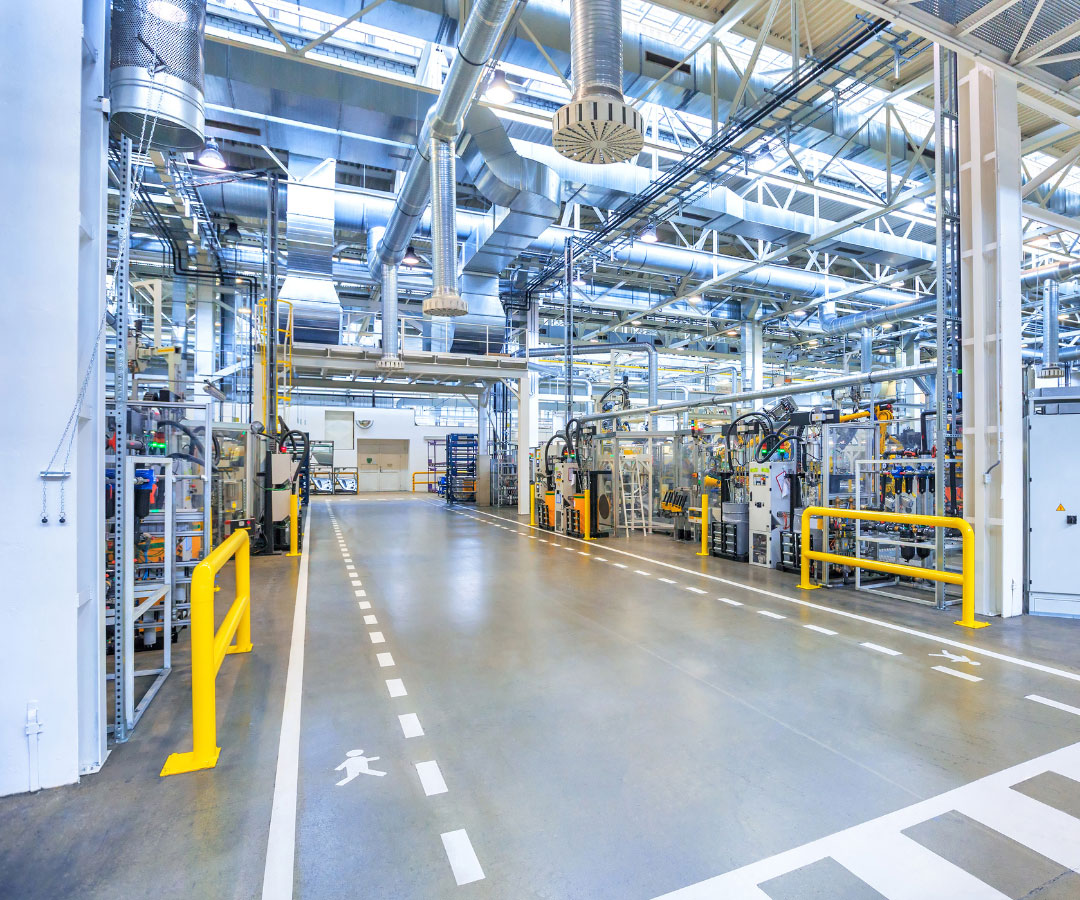
Industrial operations increasingly rely on fabric filter systems—also known as baghouses—to meet stringent air quality regulations enforced by agencies such as the EPA and OSHA. Effective dust collection captures and removes particulate matter and hazardous air pollutants before they escape into the atmosphere, protecting worker health and preventing regulatory penalties.
In this comprehensive guide, you will discover key EPA mandates under the Clean Air Act, NESHAP, and MACT standards; OSHA’s workplace air quality requirements; the fabric filter technologies that ensure compliance; industry-specific regulations; continuous monitoring strategies; and the economic trade-offs of investing in high-performance baghouses. You will also learn how American Fabric Filter – Custom Filtration Solutions can tailor systems for food, wood, chemical, mineral, and pharmaceutical sectors to simplify compliance and optimize performance.
What Are the Key EPA Regulations Affecting Industrial Fabric Filters?
EPA regulations define emission limits, performance requirements, and permit processes for fabric filters used in industrial dust collectors to control particulate matter and hazardous air pollutants. These rules mandate how baghouses must capture and test emissions, ensuring benefit through reduced environmental impact and avoidance of fines.
Key EPA regulations include:
- Clean Air Act (CAA) – Establishes national standards for air emissions.
- National Emission Standards for Hazardous Air Pollutants (NESHAP) – Regulates HAPs from major and area sources.
- Maximum Achievable Control Technology (MACT) – Specifies design and operational standards for existing and new sources.
- Particulate Matter (PM2.5 and PM10) Limits – Sets concentration thresholds for fine and coarse particles.
- Air Permit Requirements – Outlines procedures to demonstrate compliance through permits.
These regulations work together to define emission thresholds, require monitoring, and enforce corrective actions when limits are exceeded, creating a structured compliance pathway for fabric filter installations.
National Emission Standards for Hazardous Air Pollutants and Particulate Matter Control
The U.S. Environmental Protection Agency (EPA) mandates Maximum Achievable Control Technology (MACT) standards under the Clean Air Act to regulate hazardous air pollutants (HAPs) from industrial sources, requiring the highest level of emission reduction. Fabric filters are critical for achieving compliance with these standards and for controlling particulate matter, including PM2.5 and PM10, often demonstrating collection efficiencies greater than 99%.
What Is the Clean Air Act and How Does It Impact Fabric Filters?
The Clean Air Act is the cornerstone of U.S. air pollution control law, mandating state implementation plans and federal standards to limit emissions of criteria pollutants. Fabric filters must meet CAA-driven emission limits by removing particulate matter—the mechanism by which they protect ambient air quality. Compliance with the CAA reduces health risks and environmental degradation, providing a uniform regulatory baseline for industrial facilities.
How Does NESHAP Regulate Hazardous Air Pollutants for Dust Collectors?
NESHAP sets specific emission limits for listed HAPs such as arsenic, chromium, and volatile organic compounds. Fabric filter systems achieve compliance by selecting specialized filter media and implementing performance testing protocols. Regular monitoring and record keeping under NESHAP ensure that dust collectors consistently capture pollutants at or below allowable thresholds, safeguarding public health and meeting statutory requirements.
What Are MACT Standards and Their Role in Fabric Filter Compliance?
MACT standards represent the highest level of emission control achievable, requiring existing and new industrial sources to employ the best-performing technologies. Fabric filters must adhere to MACT specifications for design, operation, and monitoring—such as pulse-jet cleaning cycles and differential pressure tracking—ensuring maximum particulate removal and long-term regulatory adherence.
What Are the Particulate Matter (PM2.5 and PM10) Emission Limits?
Particulate matter regulations define concentration limits for particles smaller than 2.5 µm (PM2.5) and 10 µm (PM10). Fabric filters capture these particles through mechanical interception, extending filter life and performance.
| Particle Size | EPA Annual Limit | Control Requirement |
|---|---|---|
| PM2.5 | 12 µg/m³ | High-efficiency filter media and continuous monitoring |
| PM10 | 50 µg/m³ | Standard baghouse design with periodic performance testing |
Fine-particle controls under these limits reduce respiratory and cardiovascular risks, driving industries to upgrade existing baghouses or install advanced pulse-jet systems.
How Do You Obtain Air Permits for Industrial Filtration Systems?
Industrial facilities secure air permits by submitting detailed applications that describe emission sources, control technologies, and proposed operating parameters. The permitting process includes dispersion modeling, background concentration assessments, and compliance demonstrations. Once issued, permits require periodic reporting and on-site inspections to verify that fabric filters operate within authorized emission limits.
How Do OSHA Air Quality Standards Protect Workers in Industrial Settings?
OSHA defines workplace exposure limits and safety guidelines that complement EPA regulations by focusing on direct worker health protection. Fabric filters help maintain ambient indoor air quality, trapping dust before it circulates in work areas and reducing inhalation risks.
What Are OSHA’s Permissible Exposure Limits (PELs) for Industrial Dust?
OSHA PELs specify maximum airborne concentrations for dust types—such as silica (50 µg/m³) and general nuisance dust (15 mg/m³). Fabric filters reduce respirable dust levels by capturing particles at the point of generation, ensuring that inhalable exposures remain below PELs and preventing occupational illnesses.
Occupational Safety and Health Administration Permissible Exposure Limits for Industrial Dust
The Occupational Safety and Health Administration (OSHA) establishes Permissible Exposure Limits (PELs) to safeguard workers from airborne contaminants. These limits include 15 milligrams per cubic meter (mg/m³) for total dust, 5 mg/m³ for respirable dust, and 50 micrograms per cubic meter (µg/m³) for respirable crystalline silica, all measured as an 8-hour time-weighted average. Industrial air filtration systems, such as fabric filters, serve as essential engineering controls to reduce dust concentrations below these PELs and ensure a safe working environment.
How Do Combustible Dust Regulations Affect Fabric Filter Use?
OSHA enforces combustible dust rules aligned with NFPA standards to prevent fire and explosion hazards. Baghouse systems must incorporate features such as explosion vents or suppression systems, grounded electrical components, and regular housekeeping to remove accumulated dust. These design measures ensure baghouses manage both filtration and fire-safety requirements.
What Are OSHA’s Indoor Air Quality (IAQ) Guidelines for Manufacturing Facilities?
OSHA recommends maintaining adequate ventilation rates, controlling pollutant sources, and monitoring airborne contaminants to preserve indoor air quality. Fabric filters installed at dust-generating processes fulfill source control strategies by capturing particles before they disperse, supporting a healthy work environment and enhancing productivity.
How Can Fabric Filters Help Meet OSHA Air Quality Requirements?
Fabric filters achieve OSHA compliance by providing efficient dust capture, reducing airborne concentrations, and supporting exposure monitoring. Differential pressure indicators and bag-leak detection systems confirm performance in real time, enabling facility managers to maintain safe IAQ levels and avoid occupational health citations.
What Fabric Filter Technologies Ensure Compliance with Air Quality Regulations?
Advanced fabric filter technologies optimize particulate removal and ease maintenance while aligning with EPA and OSHA mandates. Selecting the right technology enhances compliance reliability and operational efficiency.
What Are the Differences Between Pulse Jet and Reverse Air Baghouses?
Pulse-jet and reverse-air baghouses differ in cleaning mechanisms:
| System Type | Cleaning Method | Operational Benefit | Typical Application |
|---|---|---|---|
| Pulse Jet | High-pressure air pulses | Continuous cleaning, compact | High dust loads, fine particulates |
| Reverse Air | Periodic airflow reversal | Gentle cleaning, energy saving | Sticky or oily dust streams |
Pulse-jet systems maintain stable pressures and allow for higher airflow rates, while reverse-air baghouses minimize wear on filter media and reduce compressed-air usage, matching different compliance and process needs.
How Do You Select Filter Media for Hazardous Air Pollutant (HAP) Control?
Effective HAP control begins with choosing filter media that balances chemical resistance, pore structure, and temperature tolerance. Polytetrafluoroethylene (PTFE)-coated fabrics resist corrosive gases, while fiberglass media excel in high-temperature applications. Media selection impacts capture efficiency, cleaning frequency, and regulatory performance.
How Is Baghouse Design Optimized to Reduce Emissions?
Baghouse design considerations—such as hopper slope, airflow distribution, and compartment isolation—minimize re-entrainment and ensure uniform filtration. Computational fluid dynamics (CFD) modeling guides ductwork layout and vent positioning, enhancing collection efficiency and streamlining compliance with emission standards.
How Is Fabric Filter Efficiency Measured and Monitored?
Efficiency is measured through upstream/downstream particulate sampling, differential pressure readings, and real-time bag-leak detection. Continuous emission monitoring systems (CEMS) provide automated reporting of particulate concentrations, enabling instant corrective actions when performance deviates from regulatory limits.
What Are the Latest Technological Advancements in Fabric Filters?
Recent innovations include self-cleaning filter media, remote-monitoring dashboards, and hybrid baghouse designs combining cartridge and fabric filtration. These advancements improve capture rates, reduce downtime, and enable predictive maintenance—aligning with evolving air quality regulations.
Which Industry-Specific Air Quality Regulations Affect Fabric Filter Compliance?
Different sectors face unique pollutant profiles and regulatory frameworks; fabric filters must be tailored to meet these specialized requirements while ensuring consistent compliance.
What Are the Air Quality Requirements for Food Processing Facilities?
Food processing plants must control allergens, organic dusts, and oil mist under local air quality rules and FDA guidelines. Sanitary baghouse designs with easy-clean features and food-grade filter media prevent cross-contamination while meeting particulate limits.
How Do Wood Dust Regulations Influence Baghouse Selection?
Woodworking operations generate fine, combustible sawdust regulated by OSHA’s combustible dust rules and state environmental agencies. Baghouse systems for wood dust require explosion venting and spark detection alongside high-efficiency filtration to capture fine particles and prevent fire risks.
What Are Chemical Industry Emission Controls Using Fabric Filters?
Chemical plants emit corrosive gases and HAPs that necessitate specialized media such as PTFE and ceramic blends. Regulatory compliance often requires CEMS integration and acid-resistant coatings on baghouse internals to withstand process off-gas compositions.
How Are Mineral Processing Dust Regulations Met with Fabric Filters?
Mineral operations produce silica and metal-oxide dust subject to OSHA PELs and state PM limits. High-temperature fiberglass media and robust hopper designs enable safe handling of abrasive particles and ensure that emissions remain below mandated thresholds.
What Are Pharmaceutical Filtration Standards and cGMP Requirements?
Pharmaceutical manufacturing adheres to current Good Manufacturing Practices (cGMP), mandating clean-air classification and contamination control. Fabric filters in these settings use PTFE media, stainless-steel housings, and validated cleaning protocols to maintain aseptic conditions and meet EPA PM2.5 limits.
How Can Continuous Monitoring and Maintenance Support Ongoing Compliance?
Sustained regulatory adherence depends on proactive monitoring and preventive maintenance that identify performance issues before limits are breached.
What Is Continuous Emission Monitoring System (CEMS) Integration for Dust Collectors?
CEMS automates particulate concentration tracking by sampling exhaust streams and reporting results against permit thresholds. Integration with baghouse controls enables automatic back-pulse adjustments or alerts, ensuring consistent capture efficiency and transparent compliance reporting.
How Do Bag Leak Detection Systems Prevent Compliance Failures?
Bag leak detectors use optical or acoustic sensors to identify pinhole leaks in filter bags, triggering alarms and isolating compromised compartments. Early leak detection prevents unfiltered emissions from escaping and reduces the risk of regulatory non-compliance.
What Are Best Practices for Preventative Maintenance of Fabric Filters?
Effective maintenance routines include scheduled inspections of filter bags, differential pressure checks, hopper cleaning, and valve servicing. Documenting these activities supports permit obligations and extends baghouse service life, resulting in cost savings and uninterrupted compliance.
How Should Record Keeping and Reporting Be Managed for Air Quality Compliance?
Maintaining digital logs of emission data, maintenance records, and permit reports streamlines audits and regulatory reviews. A centralized compliance management system ensures that documentation is accurate, complete, and readily available for inspections.
What Are the Economic Benefits and Compliance Risks of Using Fabric Filters?
Investing in quality fabric filters delivers long-term savings and risk mitigation, while failure to comply can lead to fines and operational disruptions.
What Is the Cost-Benefit Analysis of Investing in Quality Fabric Filters?
High-efficiency baghouses reduce downtime, lower replacement frequency, and cut energy costs through optimized cleaning cycles. Although initial capital expenses may be higher, lifecycle savings from reduced fines, improved productivity, and energy efficiency yield attractive returns on investment.
What Are the Risks and Penalties of Non-Compliance with Air Quality Regulations?
Non-compliant facilities face civil penalties, legal actions, and forced shutdowns. EPA fines can exceed tens of thousands of dollars per violation, while OSHA citations for excessive worker exposure result in additional penalties and reputational damage.
How Do Custom Filtration Solutions Address Unique Industrial Compliance Challenges?
Tailored baghouse systems consider process parameters, pollutant chemistry, and regulatory targets. Customized designs optimize media selection, cleaning schedules, and monitoring features to meet specific emission limits and exposure controls.
How Does American Fabric Filter Support Compliance Through Custom Solutions?
American Fabric Filter – Custom Filtration Solutions provides expert consultation, in-house engineering, and turnkey installation services. Leveraging decades of industry experience, the company designs compliance-driven baghouse systems for diverse sectors—ensuring on-time permitting, optimal performance, and seamless integration with existing operations.
What Common Questions Do Businesses Have About Air Quality Regulations and Fabric Filters?
Businesses often seek clarity on regulatory scope, compliance mechanisms, and best practices for maintaining systems. Summarizing these concerns fosters a deeper understanding and guides solution selection.
- Many companies ask which regulations apply to their dust collectors. EPA’s Clean Air Act, NESHAP, and MACT standards outline federal requirements, while OSHA PELs and combustible dust rules protect workers.
- Organizations wonder how fabric filters achieve NESHAP compliance. Baghouses capture HAPs through high-efficiency media and continuous monitoring, demonstrating performance via periodic source testing.
- Facility managers question OSHA’s workplace dust control mandates. Permissible Exposure Limits and IAQ guidelines necessitate proper ventilation, source capture, and regular exposure assessments.
- Industries most reliant on fabric filters include cement, food processing, chemical, and pharmaceutical operations—each facing specific particulate thresholds and safety criteria.
- To stay compliant amidst evolving rules, businesses implement continuous monitoring, preventive maintenance, and digital record keeping—ensuring readiness for inspections and rapid response to regulation updates.
Engaging a specialized partner like American Fabric Filter – Custom Filtration Solutions simplifies navigation of these complex requirements and aligns filtration systems with both regulatory and operational goals. Call Us Today for a Custom Quote.