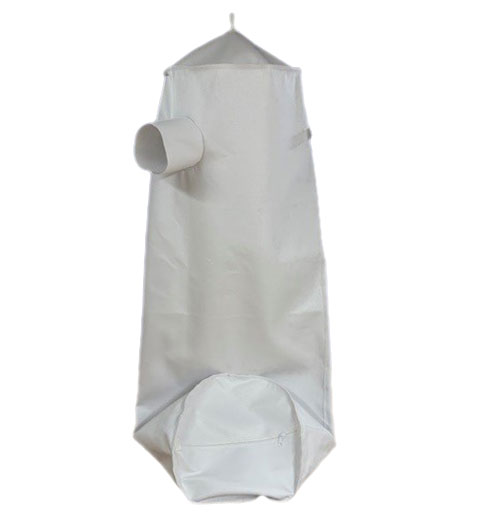
In an era where air quality is of paramount importance, custom fabric filters stand as a pivotal solution for addressing unique filtration challenges across various industries. These innovative filtration products are designed to tackle specific dust and air pollution issues, ensuring the efficient removal of particulate matter from gas streams. This article delves into the mechanics of fabric filters, their applications in dust collection, and the advantages they offer in improving clean air standards.
What Are Fabric Filters and How Do They Work in Filtration Applications?
Understanding the Basics of Fabric Filters
Fabric filters are essential components in the filtration process, designed to capture airborne solid particles from gas streams. These filters consist of a filter media, usually made from woven or nonwoven materials, that allows air to pass while trapping dust and other particulate matter. The design and structure of the filter fabric play a crucial role in determining the efficiency and effectiveness of the filtration process. Fabric filters can be found in various applications, including baghouses, where they operate under high-temperature conditions to manage emissions from industrial processes.
The Role of Filter Bags in Dust Collection
Filter bags serve as the primary elements of fabric filters in dust collection systems. These filter bags are typically housed in a baghouse, where they capture particulate matter from the gas stream, preventing it from being released into the atmosphere. As dust accumulates on the surface of the fabric, a dust cake forms, enhancing the filtration efficiency. However, periodic cleaning is essential to maintain optimal performance. Different cleaning systems, such as pulse jet or reverse air, are employed to remove the dust cake and extend the service life of the filter bags.
Types of Filtration Processes Involving Fabric Filters
Fabric filters are versatile and can be utilized in various types of filtration processes. Common applications include air filtration in industrial settings, flue gas filtration in power generation facilities, and even in ambient air pollution control. The adaptability of fabric filters allows for the handling of different types of particulate matter, including fine dust and solid particles, making them a valuable asset in diverse industries. Each application may require specific filter designs and materials, emphasizing the need for custom solutions tailored to the unique challenges posed by different environments.
How Do Custom Fabric Filters Address Specific Dust and Air Pollution Issues?
Custom Solutions for Different Types of Particulate Matter
Custom fabric filters are engineered to address the specific characteristics of particulate matter generated by various industrial processes. For example, a facility producing fine dust may require a highly efficient filter capable of capturing smaller particles without sacrificing airflow. The customization of filter media, such as the use of hybrid filters combining different materials, allows for enhanced removal efficiencies tailored to specific dust types. This bespoke approach ensures that the filtration system is optimized for the unique challenges posed by each application, leading to improved air quality and compliance with environmental regulations.
Importance of Tailored Filter Fabrics in Air Pollution Control
The importance of tailored filter fabrics in air pollution control cannot be overstated. Each industrial application presents its own set of challenges, including the type of gas stream and the nature of the particulate matter. Custom fabric filters are designed to meet these challenges head-on by utilizing specific materials and configurations that maximize filtration efficiency. For instance, the use of PTFE (polytetrafluoroethylene) coatings can enhance the performance of filter fabrics in high-temperature environments, ensuring that the filters maintain their integrity and effectiveness over time. By aligning the filter design with the specific needs of the application, companies can significantly reduce their environmental impact.
Case Studies: Successful Applications of Custom Fabric Filters
Numerous case studies illustrate the successful application of custom fabric filters across different industries. In the power generation sector, for instance, fabric filters have been utilized to achieve an impressive 99.9% efficiency in the filtration of flue gas emissions. This level of efficiency not only ensures compliance with stringent air quality standards but also contributes to cleaner ambient air for surrounding communities. Similarly, in the manufacturing sector, custom filter solutions have enabled companies to effectively manage dust collection while optimizing production processes, demonstrating the versatility and effectiveness of custom fabric filters in addressing unique filtration challenges.
What Are the Key Advantages of Using Nonwoven Filters in Baghouses?
Enhanced Removal Efficiencies with Nonwoven Filter Media
Nonwoven filters have gained popularity in baghouses due to their enhanced removal efficiencies compared to traditional woven fabrics. The structure of nonwoven filter media allows for a larger surface area, which improves the ability to capture fine dust and solid particles. This increased surface area also contributes to a lower pressure drop across the filter, enabling more efficient airflow and reducing energy consumption in dust collection systems. As industries strive to meet higher standards for air quality, the adoption of nonwoven filters is becoming increasingly prevalent.
Comparative Benefits of Nonwoven vs. Woven Fabrics
When comparing nonwoven and woven fabrics in filtration applications, several key advantages emerge. Nonwoven filters typically offer superior filtration performance due to their ability to capture a wider range of particulate sizes. Additionally, nonwoven materials tend to have a higher resistance to moisture and chemicals, making them ideal for challenging industrial environments. While woven fabrics may provide durability, nonwoven filters often deliver better overall efficiency and longer filter life. This distinction is critical for companies looking to optimize their dust collection systems while minimizing operational costs.
Impact on Service Life and Maintenance of Bag Filters
The choice between nonwoven and woven fabrics significantly impacts the service life and maintenance requirements of bag filters. Nonwoven filters often require less frequent cleaning due to their unique construction, which allows for more efficient dust cake release during cleaning cycles. This reduced cleaning frequency translates into longer filter life and lower maintenance costs, making nonwoven filters an attractive option for facilities aiming to enhance operational efficiency. In contrast, woven filters may necessitate more regular maintenance, which can lead to increased downtime and operational disruptions.
How Do Fabric Filters Improve Clean Air Standards in Industrial Applications?
Filtration of Flue Gas in Power Generation Facilities
Fabric filters play a critical role in the filtration of flue gas in power generation facilities, ensuring that harmful emissions are effectively captured before being released into the atmosphere. By utilizing advanced filter media specifically designed for high-temperature applications, these filters can operate efficiently even under the harsh conditions associated with power generation. The ability to achieve high filtration efficiency not only aids in environmental compliance but also contributes to the overall sustainability of energy production.
Achieving 99.9% Efficiency in Particulate Emissions Control
One of the most significant achievements in the use of custom fabric filters is the ability to reach 99.9% efficiency in particulate emissions control. This level of performance is crucial for industries that face strict regulatory requirements regarding air quality and environmental impact. By employing advanced filter technologies and tailoring the filter design to specific operational needs, companies can ensure that they are meeting or exceeding these standards, ultimately leading to cleaner air and a healthier environment.
The Role of Pulse Jet Cleaning Systems in Baghouses
The integration of pulse jet cleaning systems in baghouses has revolutionized the maintenance of fabric filters. These systems utilize compressed air to create a rapid pulse that dislodges accumulated dust from the surface of the filter bags, facilitating efficient cleaning without the need for extensive downtime. By maintaining the cleanliness of the filter media, pulse jet systems enhance the overall performance and longevity of the fabric filters, ensuring that dust collection systems operate at peak efficiency. This innovation not only improves air quality but also reduces operational costs associated with maintenance and filter replacement.
What Innovations Are Shaping the Future of Filtration with Custom Fabric Filters?
Advancements in Filter Media Technology and Design
The future of filtration is being shaped by ongoing advancements in filter media technology and design. Innovations such as nanofiber filtration, which incorporates ultra-fine fibers into the filter fabric, are enhancing the ability to capture even the smallest particulate matter. Additionally, developments in hybrid filter designs that combine different materials are allowing for more tailored solutions that meet specific industry challenges. As research and technology continue to evolve, the potential for custom fabric filters to address complex filtration needs will only expand.
The Growing Importance of Sustainability in Filtration Solutions
Sustainability has become a crucial consideration in the development of filtration solutions. Manufacturers are increasingly focusing on creating fabric filters that not only provide high filtration efficiency but also minimize environmental impact. The use of recyclable materials, energy-efficient production processes, and improved filter life are all part of this growing emphasis on sustainability. As industries face mounting pressure to reduce their carbon footprint, the role of custom fabric filters in promoting cleaner air and environmentally friendly practices will continue to gain prominence.
Future Trends in Dust Collection and Air Filtration Systems
As we look to the future, several trends are emerging in dust collection and air filtration systems. The integration of smart technology, such as sensors that monitor filter performance in real-time, is becoming more commonplace. These technologies allow for proactive maintenance, optimizing filter performance and ensuring compliance with air quality standards. Furthermore, the increasing focus on industrial sustainability will drive innovation in the design and materials used in custom fabric filters, leading to more efficient, durable, and environmentally responsible filtration solutions. Ultimately, these trends will not only enhance air quality but also contribute to a more sustainable industrial landscape.
In conclusion, custom fabric filters are a versatile and highly effective solution for managing unique filtration challenges in various industrial applications. By tailoring filter designs to the specific characteristics of particulate matter and operational conditions, companies can achieve optimal filtration efficiency, reduce environmental impact, and ensure compliance with stringent air quality standards. As innovations in filter media technology continue to evolve, custom fabric filters will play an increasingly important role in promoting cleaner air and sustainable industrial practices across diverse sectors.