

Customizable filtration systems are engineered solutions that address specific contamination challenges across industries. By tailoring design parameters, these systems optimize impurity removal, water quality, and operational efficiency. Their adaptability makes them indispensable in environments demanding precise contaminant control.
What Are Customizable Filtration Systems and How Do They Work?
Customizable filtration systems remove unwanted particles, chemicals, or impurities from liquids and gases by integrating multiple technologies—such as membrane filtration, activated carbon, and reverse osmosis. They combine components (pre-filters, fine filters, post-treatment units) to remove contaminants effectively while maintaining flow efficiency. Engineers adjust parameters (pore size, pressure, flow orientation) to target specific contaminants, improving water quality and reducing downtime.
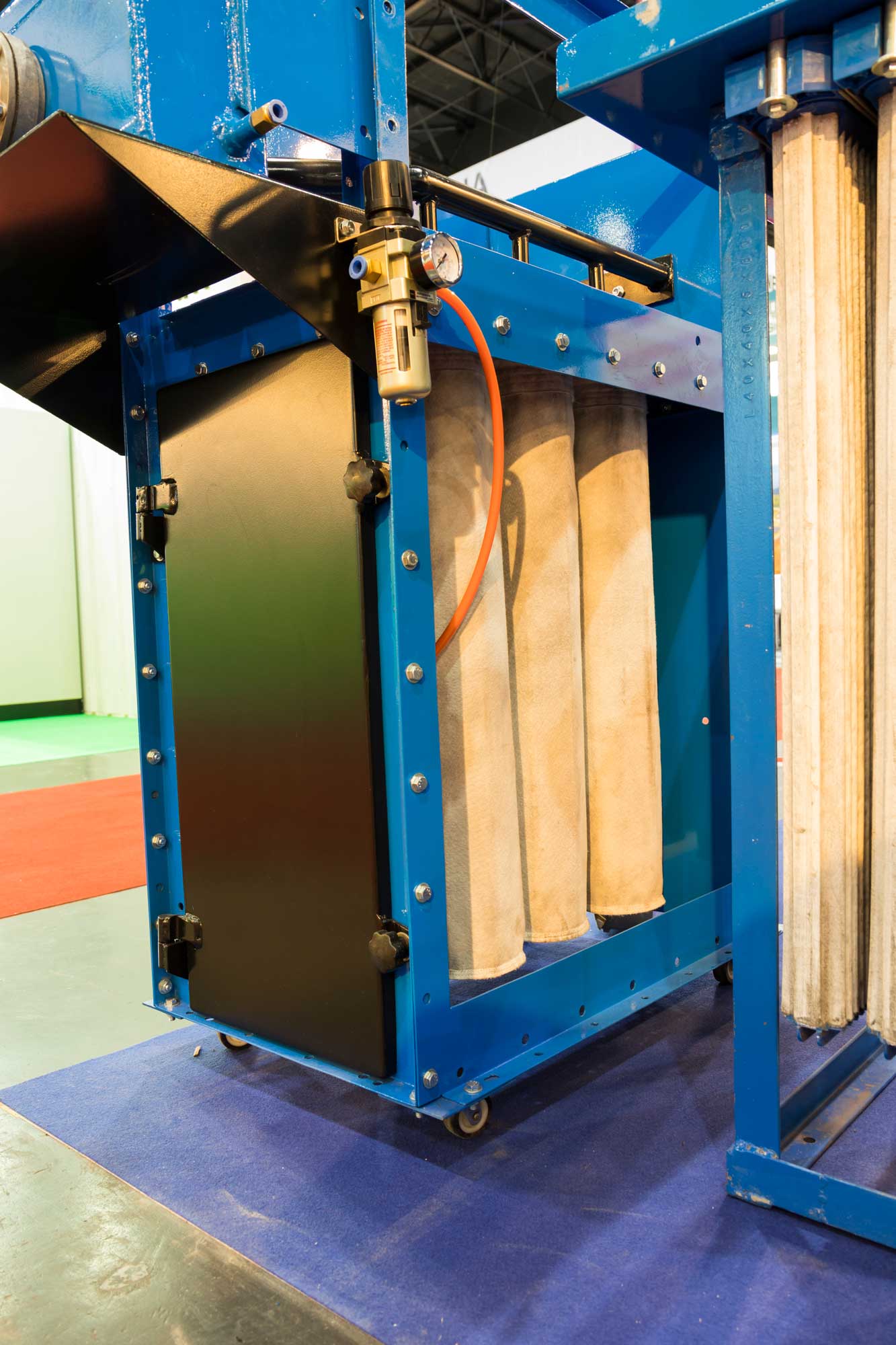
What Defines a Custom Filtration System?
A custom filtration system is defined by its ability to be tailored to exact process requirements. Its modular design, flexible configuration, and adaptability to variable contaminant loads allow manufacturers to address unique challenges like high sediment loads or chemically aggressive contaminants. Advanced sensors and robust materials help monitor performance and ensure that throughput and purity specifications are met.
How Do Different Filtration Technologies Operate?
Filtration technologies use distinct mechanisms: – Membrane filtration employs semi-permeable barriers to separate contaminants. – Activated carbon adsorbs impurities onto porous surfaces. – Depth filtration traps particles within a media’s structure. – Reverse osmosis forces fluids through membranes, rejecting solutes. These physical, chemical, or biological interactions can be combined for high purity and efficiency.
Which Components Make Up a Customizable Filtration System?
Key components include: – Pre-Filtration Units: Remove large debris and extend subsequent filters’ lifespan. – Fine Filtration Modules: Capture small particles using microfiltration or ultrafiltration. – Activated Carbon/Adsorption Units: Remove organic contaminants and chemicals. – Membrane/Reverse Osmosis Units: Achieve molecular-level separation. – Control and Monitoring Systems: Provide precise operation adjustments. Together, these parts deliver reliable, efficient, and customized filtration.
Which Industries Benefit Most From Customizable Filtration Systems?
Customizable filtration systems serve industries with strict quality standards where even minor contamination can trigger product failure or health risks. Their adaptable design makes them valuable for sectors with varying process conditions.
How Are Filtration Systems Used in Water Treatment?
In water treatment, multi-layer filtration—from mechanical sediment removal to advanced chemical and biological treatments—is essential. Custom systems eliminate pathogens, heavy metals, and organic contaminants, ensuring that both potable water and wastewater meet regulatory standards. This is critical for municipal plants and industrial facilities alike.
What Are the Filtration Needs of the Food & Beverage Industry?
In food and beverage, these systems clarify beverages, sterilize process water, and maintain hygiene. They remove bacteria, molds, and particulates without degrading sensitive nutrients, preserving taste, extending shelf life, and even recovering valuable ingredients by eliminating odors and undesirable flavors.
Why Is Custom Filtration Critical in Pharmaceuticals?
Pharmaceutical manufacturing demands ultra-clean processes. Custom filtration ensures that active ingredients and intermediates remain free of particulate matter, endotoxins, and microbes. Operating under strict regulatory guidelines, these systems meet the high purity levels required for injectables, biologics, and other sensitive formulations, safeguarding patient safety.
How Do Oil & Gas Industries Utilize Filtration Systems?
In the oil & gas sector, filtration systems protect equipment and maintain fluid properties by removing sediment, water, and corrosive chemicals. They reduce wear on components, prevent downhole blockages, and improve efficiency in drilling fluids and produced water. Gas processing also relies on these systems to separate impurities and meet environmental standards.
What Role Do Filtration Systems Play in Manufacturing Processes?
Manufacturing benefits from custom filtration to maintain product integrity and operational efficiency. In industries like metalworking, chemical production, textile processing, and electronics, filtration systems remove dust, oils, and fine particles from process fluids, minimizing downtime from blockages or corrosion.
What Filtration Technologies Are Available for Custom Solutions?
A range of advanced technologies enables tailored solutions for specific process challenges. Selections depend on the type of contaminants, throughput volume, and the desired quality of the filtered product.
How Does Membrane Filtration Enhance Purification?
By using semipermeable membranes, this method removes particles, bacteria, and dissolved salts. Membranes can be chosen based on pore size and material, targeting specific contaminants with high separation efficiency and scalability—ideal for water treatment, pharmaceuticals, and food processing.
What Are the Advantages of Activated Carbon Filtration?
Activated carbon adsorbs organic molecules, chemicals, and odors, improving taste and overall water quality. This method is effective for treating drinking water and reducing volatile organic compounds (VOCs) in industrial emissions. Its simplicity of integration with other technologies makes it a preferred contaminant removal method.
When Is Depth Filtration the Best Choice?
Depth filtration offers gradual removal of contaminants by trapping particles throughout a media. It is effective for high-solid loads, offering long service life and high dirt-holding capacity, making it a common choice for wastewater treatment and industrial process filtering.
How Does Reverse Osmosis Provide High Purity Filtration?
RO applies pressure to push fluid through a semipermeable membrane, rejecting a wide range of impurities including salts, bacteria, and organic compounds. Widely used in desalination and industrial water purification, its consistent performance makes it indispensable in many sectors.
What Applications Benefit From Ultrafiltration?
Ultrafiltration removes viruses, colloids, and macromolecules while retaining essential solutes. With membranes optimized for fine particle separation, this technology balances permeability and selectivity, serving dairy processing, pharmaceutical, and biotechnology applications.
What Are the Key Benefits of Using Customizable Filtration Systems?
Beyond contaminant removal, these systems offer improved process performance, regulatory compliance, and cost savings. They help maintain smooth operations, reduce maintenance needs, and enhance product quality across industries.
How Do Filtration Systems Improve Water Quality?
By systematically removing particulates, pathogens, and chemicals through layered filtration (pre-filtration and advanced membranes), systems produce clearer, safer water that meets industrial and municipal standards. Improved water quality minimizes health risks and protects equipment.
In What Ways Do Custom Systems Reduce Contamination?
Tailored systems factor in environmental conditions and process requirements. Techniques that target sediments, organic compounds, and microbes at multiple stages reduce cross-contamination and product degradation, ensuring consistently high-quality output.
How Can Custom Filtration Systems Lead to Cost Savings?
Optimized designs improve efficiency, extend filter life, and cut maintenance intervals. Lower energy consumption and fewer component replacements translate into reduced operational expenses and enhanced long-term profitability.
How Do These Systems Ensure Compliance With Industry Standards?
By integrating real-time monitoring and control technologies, customizable systems ensure consistent water purity and contaminant removal. This adherence to strict regulatory frameworks in sectors like pharmaceuticals, food, and water treatment prevents fines and operational disruptions.
How Are Customizable Filtration Systems Designed, Installed, and Maintained?
Designing, installing, and maintaining these systems is a collaborative, detail-oriented process aimed at high performance and long-term reliability.
What Is the Process for Designing a Tailored Filtration System?
It begins with a comprehensive needs assessment—analyzing fluid characteristics, contaminant types, flow rates, and quality requirements. Engineers select appropriate materials and technologies, and validate designs through simulation and prototype testing to ensure targeted contaminant removal and scalability.
How Is Installation Managed Across Different Industries?
A structured project plan tackles site-specific conditions, integration with existing infrastructure, and regulatory compliance. On-site testing, calibration, and staff training ensure that installations cause minimal operational disruption while meeting performance targets.
What Maintenance Practices Maximize System Efficiency?
Regular inspections, scheduled filter replacements, and sensor calibration are essential. Preventive measures such as cleaning and backwashing, along with remote monitoring, detect early issues and extend component life while minimizing downtime.
What Are Common Applications of Customizable Filtration Systems?
These systems are applied widely where contamination control is critical, including water treatment, process purification, wastewater management, and air filtration, addressing both environmental protection and operational efficiency.
How Are Filtration Systems Used in Wastewater Treatment?
They remove sediments, organic compounds, and microorganisms through a mix of physical, chemical, and biological processes. Fine-tuning the filtration process allows wastewater plants to lower pollutant loads and protect aquatic environments, enabling water reuse in industrial and agricultural contexts.
What Role Do They Play in Process Water Purification?
Custom systems remove impurities and prevent scale formation, ensuring that process water meets strict quality specifications. Crucial for electronics manufacturing, food processing, and pharmaceuticals, effective purification leads to higher production yield and reduced equipment corrosion.
How Do Filtration Systems Support Product Purification?
As the final safeguard in high-purity production (e.g., chemicals or pharmaceuticals), filtration systems remove any residual contaminants across multiple stages—from pre-filtration to ultrafiltration—ensuring products meet necessary safety and efficacy standards.
When Is Air Filtration Necessary in Industrial Settings?
Air filtration removes dust, VOCs, and other harmful particles in manufacturing plants, laboratories, and clean rooms. Customizable systems maintain a contamination-free environment, safeguarding product quality and worker health.
What Are Typical Costs and ROI of Customizable Filtration Systems?
While capital investments can be high, tailored filtration systems yield returns through reduced operational costs, lower maintenance expenses, and increased efficiency. Case studies from water treatment and chemical processing show significant long-term savings.
How Is the Cost of a Custom Filtration System Determined?
Costs depend on fluid dynamics complexity, contaminant types, desired purity levels, and system capacity. Detailed proposals cover component, installation, and commissioning expenses. Advanced systems with real-time monitoring might cost more initially but offer energy and maintenance savings over time.
What Are the Long-Term Savings From Efficient Filtration?
Savings stem from longer filter lifespans, lower energy usage, and fewer chemical treatments and repairs. Improved efficiency and reduced downtime contribute to enhanced ROI—often yielding improvements of up to 30% over the system’s lifecycle.
How Do Case Studies Demonstrate ROI and Performance?
Real-world examples highlight benefits: a wastewater plant might see a 25% reduction in energy use and a 40% drop in media replacements, while a pharmaceutical system improves product purity and reduces batch rejections. Such metrics, detailed per operational hour or production yield, validate the system’s performance.
Frequently Asked Questions
Q: How often should a customizable filtration system be maintained? A: Maintenance schedules vary but typically include monthly inspections and annual overhauls to ensure consistent performance and longevity.
Q: Can customizable filtration systems be scaled for growing operations? A: Yes. Their modular design allows for easy expansion or upgrades to meet rising production demands.
Q: What industries see the highest ROI from implementing custom filtration systems? A: Water treatment, pharmaceuticals, and oil & gas industries experience high ROI due to the stringent purity requirements and the need for reliable operations.
Q: How does reverse osmosis compare to ultrafiltration in terms of effectiveness? A: Reverse osmosis achieves molecular-level purity, while ultrafiltration retains beneficial solutes by removing larger particulates. The choice depends on application needs.
Q: Are there environmental benefits to using advanced filtration systems? A: Absolutely. These systems reduce waste, lower chemical usage, and improve overall sustainability by effectively removing and managing contaminants.
Final Thoughts
Customizable filtration systems provide adaptable, efficient solutions that meet diverse industrial needs. Their design flexibility, integration of advanced technologies, and scalability ensure that they comply with rigorous operational and regulatory standards. By enhancing water quality, minimizing contamination, and reducing long-term costs, these systems deliver substantial ROI. Ongoing advancements in filtration technology promise even greater efficiency and sustainability, ensuring precise management of challenging contaminant issues.
American Fabric Filter is one of the nation’s largest customer filter and filter accessory manufacturers. Contact us today for a quote on a custom filter.


