Efficient dust management transforms woodshops by capturing up to 99% of airborne particulates, safeguarding workers and equipment. This guide reveals how high-performance dust collection bags enhance air quality, extend machine life, and support compliance with safety standards. You’ll learn what defines superior filter media, how micron ratings determine capture efficiency, when custom solutions outperform off-the-shelf products, and best practices for maintenance and longevity.
Along the way, discover how American Fabric Filter’s filtration expertise delivers tailored solutions that optimize your woodworking operations.
What Are Wood Dust Collector Bags and How Do They Improve Efficiency?
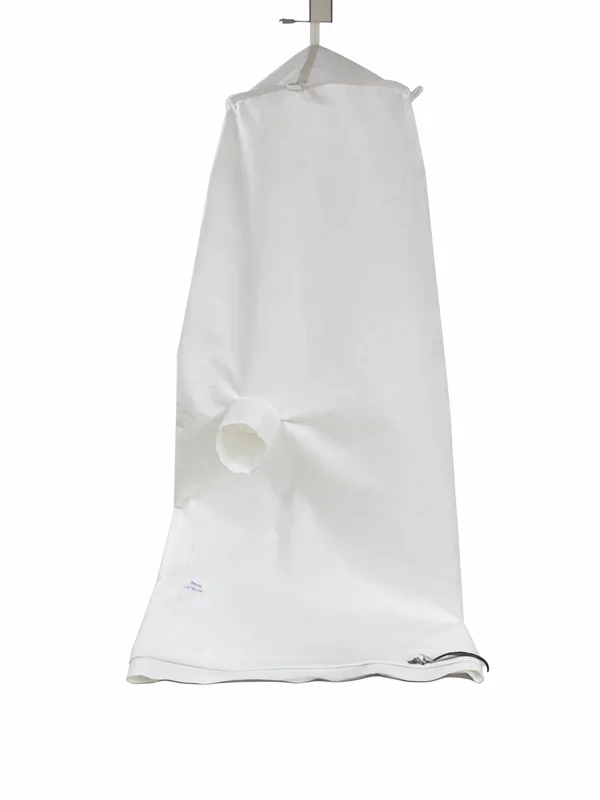
Wood dust collector bags are fabric filter elements designed to trap fine and coarse particulates generated during cutting, sanding, and routing. By channeling airflow through specialized filter media, these bags capture dust on their surface, enabling clean air to pass through. This mechanism reduces clogging, lowers energy consumption, and ensures consistent suction performance.
How Do Dust Collection Bags Work in Woodworking Environments?
Dust collection bags work by creating a controlled airflow path that forces wood particles to collide with and adhere to the filter surface.
- Contaminated air enters the dust collector housing.
- Centrifugal force separates heavy chips from finer dust.
- Remaining particulates accumulate on the outer filter fabric while clean air exits.
This staged separation preserves filter integrity and maintains peak system efficiency, preventing pressure spikes and motor overload.
What Are the Key Components of Industrial Dust Collector Bags?
Before comparing bag types, consider core components that dictate performance and durability.
The following table outlines essential bag attributes and their functional roles.
| Bag Characteristic | Specification | Performance Benefit |
|---|---|---|
| Fabric Material | Polyester felt | Balances durability with fine dust capture |
| Seam Construction | Double-stitched, taped | Ensures leak-free operation under high pressure |
| Micron Rating | 1–25 micron | Controls minimum particle size retention |
| Anti-Static Properties | Conductive fiber overlay | Prevents dust clinging and reduces ignition risk |
| PTFE Membrane Coating | Polytetrafluoroethylene | Enhances release and cleaning cycle efficiency |
Why Is Efficient Dust Collection Critical for Wood Shops?
Efficient dust collection safeguards health by reducing respirable particulate exposure, preserves equipment by preventing abrasive wear, and minimizes fire hazards by controlling combustible dust accumulations. In addition, well-engineered filter bags:
- Lower energy costs through consistent airflow
- Reduce maintenance downtime
- Support compliance with regulatory agencies
Which Types of Dust Collector Bags Are Best for Woodworking Applications?
Choosing the right bag hinges on matching filter media to dust characteristics, temperature, and abrasion levels common in woodworking.
What Are the Properties and Benefits of Polyester Dust Collector Bags?
Polyester felt bags offer a reliable combination of mechanical strength and fine-dust capture.
- Exceptional dimensional stability under load
- Resistance to temperature fluctuations up to 275°F
- Balanced air permeability for sustained suction
Polyester’s fiber structure provides effective entrapment of particles down to 5 micron while withstanding repetitive cleaning cycles without fiber degradation.
How Do Felt Filter Bags Enhance Fine Wood Dust Filtration?
Felt filter bags employ denser fabric layers to trap sub-micron particles that escape coarser media. Key advantages include:
- Higher dust cake formation for improved filtration depth
- Enhanced removal of PM2.5 wood flour
- Superior pulse-clean release, extending filter life
Fine particulate retention prevents airborne dust recirculation, protecting respiratory health and maintaining clear sightlines on the shop floor.
When Should You Choose Cotton or PTFE Membrane Filter Bags?
Cotton sateen and PTFE-coated bags excel when demanding conditions require specialty functions.
Cotton Sateen is ideal when:
- Low initial cost outweighs maintenance frequency
- Ambient temperature is below 200°F
PTFE Membrane is preferable when:
- Fine thermosetting dust demands sub-micron filtration
- Chemical resistance or hydrophobic properties are critical
What Are the Advantages of Pleated Filter Bags for Wood Dust?
Pleated filter bags maximize surface area within the same housing, delivering:
- Higher dust-loading capacity per bag
- Lower pressure drop under heavy loading
- Extended maintenance intervals
This geometry benefits applications generating extremely fine dust where downtime for bag replacement disrupts production.
How Does Micron Rating Affect Woodworking Dust Collection Efficiency?
Choosing the correct micron rating balances capture efficiency against airflow and cleaning requirements.
What Is Micron Rating and Why Does It Matter for Wood Dust?
Micron rating defines the smallest particle size that a filter will retain. A lower micron rating captures finer particulates, crucial for reducing PM2.5 exposure and preventing abrasive dust from reaching machinery internals.
How to Choose Micron Ratings for Dust Collection
The micron rating of a filter determines the smallest particle size it can trap, directly impacting air quality, workplace safety, and equipment protection. For woodworking, filters in the 10-30 micron range are often used.
How Do Different Micron Ratings Impact Air Quality and Filter Performance?
Selecting the appropriate micron rating involves trade-offs:
- 1–3 micron: Captures ultrafine dust, improves air quality, but may require more frequent cleaning.
- 5–10 micron: Balances efficient dust retention with stable airflow.
- 15–25 micron: Reduces maintenance needs for coarser wood chips, allowing higher throughput.
This choice influences pressure drop, cleaning frequency, and energy consumption.
What Micron Rating Is Recommended for Various Woodworking Dust Types?
Different woodworking tasks generate distinct particle sizes, making specific recommendations essential:
| Application | Typical Particle Size | Recommended Micron Rating |
|---|---|---|
| Fine sanding (MDF, hardwood) | 1–5 micron | 1–3 micron |
| General routing/cutting | 5–15 micron | 5–10 micron |
| Heavy planing/chipping | 15–25 micron | 10–25 micron |
Matching micron rating to dust profile optimizes capture efficiency and minimizes operational costs.
When and Why Should You Choose Custom Dust Collector Bags for Wood Shops?
Standard filter bags serve common applications, but specialized woodworking setups often demand custom dimensions, materials, or coatings to maximize performance. American Fabric Filter’s custom solutions deliver precise compatibility and measurable ROI.
What Is the Process for Ordering Custom Dust Collection Bags?
- Evaluate system specifications: baghouse dimensions, airflow (CFM), and dust characteristics.
- Select filter media and coating based on temperature, chemical exposure, and particulate type.
- Provide detailed drawings or OEM part numbers to the manufacturer.
- Review design proof and initiate production.
- Receive custom-engineered bags ready for immediate installation.
This streamlined workflow ensures rapid delivery of solutions tailored to unique shop requirements.
How Do Custom Bags Improve Efficiency and System Compatibility?
Custom bags directly address challenges such as mismatched dimensions, non-standard inlet configurations, and unusual dust compositions. By optimizing surface area, media selection, and seal integrity, bespoke filters:
- Achieve up to 25% increased airflow
- Reduce bypass leaks and rejections
- Extend filter cycles by 30–50%
These performance gains translate into measurable energy savings and reduced maintenance.
What Specialized Coatings and Features Are Available for Custom Bags?
| Custom Feature | Function | Benefit |
|---|---|---|
| PTFE Membrane Coating | Hydrophobic and chemical resistance | Enhanced release and longevity |
| Anti-Static Fiber Overlay | Dissipates static charge | Reduces ignition risk in combustible dust |
| High-Temperature Inlay | Ceramic or fiberglass core | Withstands continuous 400°F operation |
These enhancements empower woodshops to tackle extreme environments while maintaining peak dust collection performance.
How Can Woodworking Dust Collection Bags Help You Meet OSHA and NFPA Compliance?
Proper filter selection is a critical component of combustible dust hazard management, aligning operations with OSHA and NFPA guidelines.
What Are the Combustible Dust Hazards in Woodworking?
Woodworking dust exhibits high surface-area-to-volume ratios, significantly increasing combustibility. Fine particulates suspended in air can ignite under spark or static discharge, leading to deflagration in enclosed spaces.
How Do Dust Collector Bags Contribute to OSHA and NFPA Standards?
High-performance filter bags reduce dust accumulation by capturing particulates before they settle. Compliance contributions include:
- Maintaining clean surfaces in ductwork and filters
- Reducing explosive dust layers below 1/32 inch thickness
- Enabling efficient housekeeping aligned with NFPA 660 requirements
Integrating certified filter media supports documented compliance and simplifies audit readiness.
Woodworking Dust Control Under NFPA 660: How to Stay Compliant (and Safe)
NFPA 660 is the new standard for combustible dust safety, consolidating older standards and directly impacting woodworking operations. OSHA references NFPA 660 during inspections under the General Duty Clause.
What Are Best Practices for Maintaining Compliance With Dust Collection Systems?
- Schedule regular inspections of filter integrity and wear.
- Verify cleaning mechanisms function at recommended intervals.
- Implement documented housekeeping routines for hoppers and ductwork.
- Ensure proper grounding of filters and equipment to dissipate static.
Consistent adherence to these practices fortifies safety and regulatory adherence.
What Are the Best Practices to Maximize Dust Collector Bag Efficiency and Longevity?
Optimized bag care preserves filtration performance, lowers downtime, and extends asset life.
How Do You Know When to Replace Wood Dust Collector Bags?
Watch for clear indicators such as:
- Sustained pressure drop increases above manufacturer thresholds
- Visible fabric wear or fraying at seams
- Frequent pulse-clean failures or dust blow-through
Timely replacement prevents contamination of downstream components and maintains airflow.
What Are Effective Cleaning and Maintenance Techniques for Filter Bags?
Proper cleaning cycles restore permeability and prevent cake build-up:
- Use reverse-pulse cleaning at manufacturer-specified pressure.
- Employ gentle vibratory shakers for dry systems.
- Avoid water wash unless filter media is rated for wet cleaning.
Routine maintenance restores filter capacity and supports longer life.
How Can You Optimize Airflow and System Performance With Proper Bag Care?
Consistent cleaning and inspection reduce bypass and leaks, resulting in:
- 15–20% lower fan energy usage
- Stable suction across production shifts
- Predictable maintenance scheduling
This proactive approach maximizes uptime and minimizes unplanned shutdowns.
How to Choose the Right Dust Collector Filter Bags for Your Woodworking Shop?
Selecting the ideal filter bag involves careful consideration of system requirements and operational goals.
What Factors Should You Consider When Selecting Dust Collector Bags?
Key selection criteria include:
- Dimensions: matching baghouse ring and cage sizes
- Material: polyester, felt, PTFE membrane based on dust profile
- Micron Rating: balancing capture efficiency with airflow
- Coatings: hydrophobic or anti-static for specialized needs
- Cleaning Method: pulse-jet, shaker, or reverse-air compatibility
A systematic evaluation ensures optimal filter performance.
How Do High-Efficiency Dust Collector Bags Deliver ROI for Wood Shops?
| Cost Factor | Impact of High-Efficiency Bags | Financial Benefit |
|---|---|---|
| Energy Consumption | Lower fan power requirements | Up to 12% reduction in utility bills |
| Maintenance Frequency | Extended filter cycles | 30% fewer replacement parts |
| Downtime for Cleaning | Faster pulse-clean recovery | 20% more productive hours |
Investing in premium filter media yields rapid payback through reduced operating expenses.
Where Can You Get Expert Consultation and Custom Solutions?
For tailored filtration strategies and high-performance dust collection bags, contact American Fabric Filter – Industrial Filtration Solutions for a comprehensive evaluation. Their specialists guide you through media selection, custom design, and ongoing support to ensure your woodshop runs cleaner, safer, and more efficiently.
Efficient dust collection is essential for any woodworking operation seeking safer air, longer equipment life, and regulatory compliance. By understanding filter media properties, micron ratings, custom solutions, and maintenance best practices, you’ll achieve peak performance and cost savings. Partnering with an expert provider ensures tailored solutions that address your unique challenges while maximizing operational efficiency. Ready to elevate your dust collection system? d Explore specialize filter bags and custom services today.